
Introduction: Why the Latest iPhone Rumors Matter
In the fast‑moving world of consumer technology, iPhone rumors act as a pulse‑check for both enthusiasts and the broader market. Each speculative leak, design sketch, or supply‑chain whisper doesn’t just tease the next generation of Apple hardware—it also reshapes purchasing decisions, influences stock prices, and even drives competing manufacturers to adjust their own roadmaps. Understanding why these rumors hold such weight helps readers appreciate the ripple effects that a single new feature or design change can create across the entire tech ecosystem.
First, iPhone rumors empower potential buyers with foresight. When a credible source hints at a larger battery, a faster chip, or a new camera system, shoppers can decide whether to hold off on an upgrade or seize the opportunity before the next model launches. This decision‑making ability not only impacts individual wallets but also accumulates into noticeable shifts in sales trends that analysts monitor closely.
Second, the rumor mill fuels content creators, journalists, and influencers. Every new tidbit spawns a cascade of articles, videos, and social‑media posts, keeping the conversation alive long after the official launch event. This ongoing buzz extends Apple’s marketing reach far beyond the company’s own announcements, effectively turning the community into a global, decentralized PR machine.
- Market impact: Analysts use rumor data to adjust forecasts for Apple’s revenue, influencing investor confidence and stock performance.
- Supply‑chain insights: Leaks about components—like a shift to a newer A‑series processor or a change in display supplier—signal where manufacturers are allocating resources, hinting at broader industry trends.
- Competitive pressure: Rival brands monitor iPhone rumors to gauge where they need to innovate, whether that’s in foldable design, battery endurance, or software integration.
- Consumer expectations: Repeated rumors about certain features (e.g., under‑display Touch ID or USB‑C adoption) set a baseline of expectations that Apple must either meet or strategically defy.
Finally, the emotional component cannot be overlooked. Apple has cultivated a brand mythology where every reveal feels like a cultural moment. Rumors tap into that anticipation, creating a shared excitement that unites fans worldwide. This collective enthusiasm builds brand loyalty, amplifies word‑of‑mouth promotion, and reinforces Apple’s position as a trendsetter rather than just a product maker.
In short, the latest iPhone rumors matter because they act as a catalyst—shaping consumer behavior, guiding market analysts, influencing competitors, and fueling a global conversation that keeps Apple at the forefront of tech discourse.
Design & Build: Expected Look, Materials, and Colors
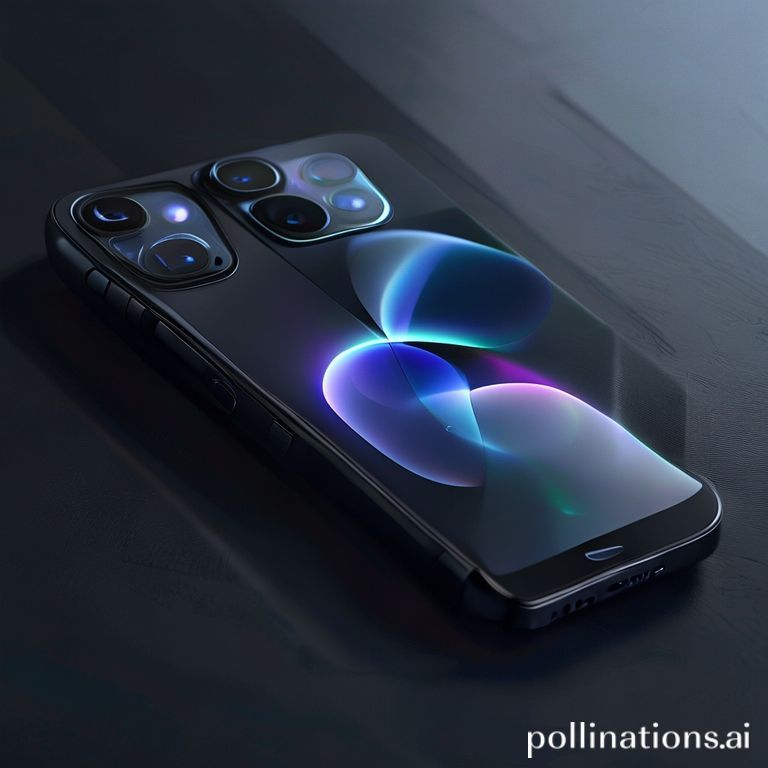
The iPhone community is buzzing with speculation about the aesthetic direction of the next-generation device. While Apple remains tight‑lipped, supply‑chain leaks, CAD renders, and analyst intel collectively paint a vivid picture of what we might hold in our hands later this year.
First on the agenda is the overall silhouette. Most reputable sources suggest a **reduction in bezel thickness by another 0.2 mm**, continuing the trend set by the iPhone 14 series. Rumors also indicate a return to the flat‑edge design language that debuted with the iPhone 12, but refined with smoother transitions between the frame and the glass back. This hybrid approach aims to merge the tactile satisfaction of flat edges with the sleek, aerodynamic feel of rounded corners.
Material choices appear to be the most exciting shift. Apple is reportedly experimenting with a **titanium alloy frame**, which would bring a lighter yet sturdier chassis compared to the current aerospace‑grade aluminum. Internally, the device might feature a **ceramic‑shield front cover** that’s said to be up to 10% more resistant to scratches and micro‑fractures. The back panel could stay glass‑based for wireless charging compatibility, but a new “dual‑tone” glass finish may be introduced, blending matte and glossy textures for a premium tactile experience.
Color speculation is equally vibrant. Leaked renderings hint at a broader palette that expands beyond the classic Midnight, Starlight, and (Product)RED. Below is a shortlist of the most talked‑about hues:
- Deep Navy – a rich, almost‑black indigo that adds a subtle depth to the titanium frame.
- Sunset Gold – a warm, buttery tone designed to complement the new ceramic‑shield front.
- Forest Green – a muted, nature‑inspired shade that aligns with Apple’s recent sustainability messaging.
- Arctic White – an ultra‑clean, high‑contrast white that accentuates the glass back’s reflective qualities.
- Midnight Black – a classic that may return with a new satin finish for a less glossy look.
Overall, the anticipated design language suggests Apple is balancing durability, premium feel, and visual variety. If these rumors hold true, the upcoming iPhone will not only look more refined but also feel lighter, stronger, and more personalized than any of its predecessors.
Display Innovations: Size, Refresh Rate, and New Technologies
Apple’s next iPhone is shaping up to be a visual masterpiece, and the latest leak ecosystem suggests a bold leap forward for its display panel. From a subtle bump in diagonal size to a revolutionary under‑screen camera, the rumored specs point to a device that could redefine what users expect from a smartphone screen. Below, we break down the three most talked‑about dimensions of the upcoming display: physical size, refresh‑rate dynamics, and the cutting‑edge technologies that may finally make their way onto an iPhone.
First, the size upgrade is modest yet meaningful. Sources close to the supply chain indicate Apple is eyeing a 6.7‑inch Super Retina XDR panel for the flagship “Pro Max” model—up from the current 6.5‑inch offering. This extra half‑inch comes from slimmer bezels and a slightly taller aspect ratio (19.5:9 to 20:9), granting more screen real‑estate without compromising one‑handed usability. Meanwhile, the standard “Pro” version may settle at 6.3 inches, striking a balance between pocket‑friendliness and immersive media consumption.
Refresh rate is where the excitement really builds. Rumors confirm Apple will continue its partnership with LTPO (low‑temperature polycrystalline oxide) technology, enabling a dynamic refresh‑rate range from 10 Hz up to a blistering 120 Hz. The twist? A new adaptive algorithm could push the panel to 144 Hz in high‑intensity gaming scenarios, while dropping to 10 Hz for static content to preserve battery life. If true, this would make the iPhone the first in Apple’s lineup to breach the 120 Hz ceiling, aligning it with the most advanced Android flagships.
- Size: 6.7‑inch (Pro Max), 6.3‑inch (Pro), slimmer bezels, 20:9 aspect ratio.
- Refresh Rate: Adaptive LTPO 10–120 Hz, potential 144 Hz gaming boost.
- Technology: Mini‑LED backlight, OLED‑plus, under‑display front‑camera, true‑tone calibration, 1,000 nits peak brightness, and 10‑bit color depth.
- Additional Features: Integrated “ProMotion+” AI that predicts motion to pre‑render frames, reducing perceived latency.
Beyond raw numbers, Apple is rumored to introduce an under‑display TrueDepth camera, eliminating the infamous notch or punch‑hole. Early prototypes suggest a “micro‑LED” tinted layer that can hide the camera while still delivering Face ID accuracy. Combined with an advanced HDR10+ and Dolby Vision pipeline, the new display could deliver cinema‑grade color fidelity and contrast straight from a pocket‑sized device.
In short, the upcoming iPhone’s display may not only be larger and faster but smarter, thanks to adaptive refresh rates, mini‑LED backlighting, and hidden biometric sensors. If these rumors hold true, Apple will set a new benchmark for premium smartphone screens in 2024‑25.

Camera System: Sensor Upgrades, Lens Changes, and Software Features
Apple’s upcoming flagship iPhone is rumored to bring a quantum leap in imaging performance, and the buzz is centered around three core areas: a bigger sensor, a re‑engineered lens stack, and a suite of AI‑driven software tricks. If the leaks are accurate, the new camera system will not only edge out competitors in raw specs but also tighten the integration between hardware and iOS, delivering results that feel both richer and more natural.
Sensor upgrades are the most talked‑about change. Leaks suggest a 48‑megapixel primary sensor for the base model, a step up from the 12‑megapixel units we’ve seen since the iPhone 12. More importantly, the sensor size is expected to increase to roughly 1/1.3‑inch, allowing each pixel to be larger and capture more light. This should translate into noticeably better low‑light photography, reduced noise, and a smoother transition between the 12‑MP “standard” output and a new 48‑MP “ProRAW” mode that utilizes pixel‑binning for exceptional detail.
On the lens side, Apple appears to be introducing a variable‑aperture system that can toggle between f/1.5 for bright‑day shooting and f/2.8 for deeper depth‑of‑field control. Additionally, a periscope‑style telephoto lens is rumored for the Pro‑max variant, extending optical zoom to 5× without sacrificing image quality. The ultra‑wide camera may receive a wider field of view (up to 120°) and a faster f/2.2 aperture, making landscape and macro shots crisper.
- New hardware: Larger 48 MP sensor, variable‑aperture primary lens.
- Telephoto boost: Periscope lens offering up to 5× optical zoom.
- Ultra‑wide upgrade: Wider field of view and faster aperture.
- Enhanced LiDAR: More precise depth mapping for AR and portrait mode.
Software is where Apple traditionally shines, and the iPhone 15 series is expected to bring several AI‑driven features. A revamped Photonic Engine will apply deep‑learning noise reduction across all lenses, while a new Smart HDR 5 promises better highlight handling in high‑contrast scenes. Video creators can look forward to 8K ProRes support, “Cinematic Mode” at 4K 60 fps, and real‑time background replacement powered by the upgraded Neural Engine.
In short, the rumored camera suite is designed to combine a physically larger sensor and smarter optics with a software layer that extracts the maximum possible image fidelity. If Apple delivers on these leaks, the next iPhone could set a new benchmark for mobile photography, blurring the line between phone and dedicated camera.
Performance & Battery: Next‑Gen Chipset, RAM, and Power Improvements
The upcoming iPhone model is generating a whirlwind of speculation, and when it comes to raw performance and endurance, the rumors are especially tantalizing. Insiders from supply‑chain partners and benchmark leaks suggest Apple is set to unveil a brand‑new silicon architecture that could reshape the smartphone landscape. The so‑called “A18 Bionic” is rumored to be built on a 3‑nanometer process, offering a substantial leap in transistor density over the current 4‑nm A17. This shrink not only means faster CPU and GPU cores but also a more efficient power draw, which directly translates into longer screen‑on time.
Performance‑wise, the chipset is expected to feature an octa‑core CPU layout with a 4‑high‑performance/4‑efficiency core configuration. Early benchmark numbers hint at a 20‑25% speed boost in single‑core tasks (crucial for app launch times) and up to a 35% uplift in multi‑core workloads such as video rendering and AI inference. The GPU side could see a new “4‑core” design that doubles the graphics throughput, paving the way for smoother AR experiences and higher frame‑rates in console‑grade mobile games.
Memory is another hot topic. While the current flagship ships with 6 GB of LPDDR5 RAM, the next iteration might step up to 8 GB, and the base “Pro” variant could even sport 12 GB. This bump would not only future‑proof the device for upcoming iOS features but also improve multitasking fluidity and reduce app reloads, especially in memory‑intensive workflows like photo editing or gaming.
Battery life is set to benefit from both the efficiency gains of the new SoC and a modest increase in capacity. Rumors point to a 4,500‑mAh cell for the standard model and a 5,200‑mAh unit for the “Pro Max” variant—roughly a 10‑15% lift over the current lineup. Coupled with smarter power‑management algorithms that dynamically throttle background processes, users could see up to 2‑3 extra hours of real‑world usage without sacrificing performance.
- A18 Bionic chip – 3nm process, up to 35% faster GPU, 20‑25% faster CPU.
- RAM options – 8 GB base, 12 GB for Pro models.
- Battery capacity – 4,500 mAh (standard), 5,200 mAh (Pro Max).
- Power‑management – AI‑driven background throttling, optimized display refresh rates.
- Software synergy – iOS 18 enhancements to leverage extra RAM and GPU horsepower.
All signs point to a device that doesn’t just feel faster—it stays faster longer. If these rumors hold true, the next iPhone could finally bridge the gap between raw benchmark numbers and practical, day‑to‑day endurance, delivering a truly premium performance experience for power users and casual gamers alike.
Software Enhancements: iOS Features, AI Integration, and New Services
The upcoming iPhone is rumored to arrive with a brand‑new software experience that pushes iOS further into the realm of intelligent, context‑aware computing. Leaks from reliable industry insiders suggest that Apple is gearing up to unveil iOS 18, a version that not only refines the visual polish of its predecessor but also introduces a suite of AI‑driven capabilities that could redefine everyday interactions on the device.
One of the most talked‑about upgrades is the integration of a native Apple Intelligence engine. Built on a combination of on‑device machine learning and cloud‑based processing, this engine is expected to power real‑time suggestions across apps, from predictive text that adapts to your tone to smart photo organization that automatically groups images by events, people, and even moods. Early reports claim the system will learn from your usage patterns without compromising privacy, leveraging Apple’s differential privacy framework.
In addition to AI, iOS 18 is set to roll out several new services that could keep users glued to the Apple ecosystem for longer periods:
- Live Translate Pro: An evolution of the current translation feature, offering offline, real‑time voice translation in over 30 languages, with contextual accuracy improvements.
- Health+ Connect: A unified health dashboard that syncs data from the Apple Watch, third‑party wearables, and medical records, providing AI‑generated wellness insights and personalized activity recommendations.
- iCloud Collaborative Suite: Enhanced versions of Pages, Numbers, and Keynote that support simultaneous multi‑user editing, version history, and AI‑assisted design suggestions.
- App Store Mini‑Games Hub: A curated gaming platform that leverages Apple’s new Game Center APIs for cross‑play, social leaderboards, and instant matchmaking.
Security is also expected to receive a boost. Rumors point to a Secure Enclave 3.0 that will store AI model weights locally, ensuring that sensitive inference data never leaves the device. Combined with an upgraded App Privacy Report, users will gain granular insight into how each app accesses location, microphone, and camera data.
While Apple traditionally keeps its software roadmap tightly under wraps until the WWDC keynote, the convergence of AI, privacy, and cross‑service integration in these rumors paints a picture of an iPhone that feels less like a phone and more like a personalized digital companion. If these features materialize, iOS 18 could set a new benchmark for what users expect from a mobile operating system, solidifying Apple’s lead in the premium smartphone market.
Pricing, Release Timeline, and Market Impact
Apple’s next‑generation iPhone is already generating a fever‑ish buzz, and the rumors swirling around price, launch dates, and the broader market fallout are shaping consumer expectations. While Apple remains tight‑lipped, reputable leakers and supply‑chain insiders are offering a surprisingly detailed picture that can help you gauge whether the upcoming device will be a premium powerhouse or a more accessible option for the mass market.
Below we break down the three core elements that most readers care about: the expected price brackets, the likely release window, and the strategic impact on both Apple’s ecosystem and its competitors.
- Pricing Forecasts
- Base model (likely dubbed the “iPhone 16”) could start at US$799, a modest $50‑$100 increase over the current flagship.
- Mid‑range “Pro” variant is rumored to sit between US$999 and US$1,099, reflecting upgraded cameras, a new periscope lens, and a titanium chassis.
- High‑end “Pro Max” version may breach the US$1,299 mark, especially if Apple introduces a 5‑nanometer “Ultra” chip and a 120‑Hz LTPO display.
- Trade‑in incentives and carrier subsidies are expected to soften the upfront cost for many buyers, a tactic Apple has refined since the iPhone 13 launch.
- Release Timeline
- Typical Apple cadence suggests a September 2026 unveiling event, with pre‑orders opening within 48 hours.
- Production ramp‑up hints from Foxconn point to a mid‑October shipment start, aligning with back‑to‑school promotions in key markets.
- Some analysts predict a “summer surprise” drop in certain Asian territories (China, India) as early as June 2026 to capture holiday‑season demand.
- Software updates (iOS 18) are expected to roll out concurrently, delivering new AI‑driven features that could justify the price premium.
- Market Impact
- Pricing elasticity: A modest price hike may push price‑sensitive consumers toward high‑end Android flagships, especially Samsung’s Galaxy S series.
- Supply‑chain ripple: Chip shortages appear to be easing, meaning Apple could ship a larger volume than in 2023, potentially recapturing market share lost to budget‑friendly Chinese brands.
- Competitive response: Rivals are rumored to accelerate their foldable‑phone roadmaps to counter Apple’s “no‑notch” design and advanced camera stack.
- Brand ecosystem boost: New iOS AI capabilities are likely to tighten the lock‑in effect, driving higher service‑revenue per user and reinforcing Apple’s premium positioning.
In short, the upcoming iPhone appears set to balance incremental price growth with compelling hardware upgrades, a carefully timed launch window, and a strategic push to cement Apple’s dominance in the premium smartphone arena. Keep an eye on official announcements, but these rumors provide a solid framework for anticipating how the next iPhone will reshape the market.