
Introduction
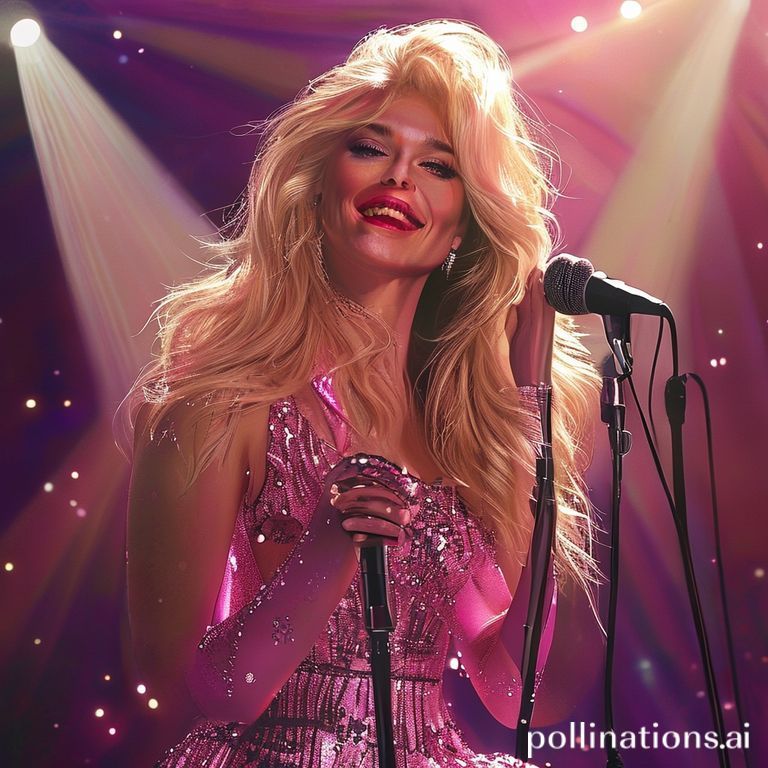
Dolly Parton, born on January 19, 1946, in the humble town of Sevierville, Tennessee, is more than just a country music legend—she is a cultural icon whose influence spans music, philanthropy, entrepreneurship, and pop culture. From her early days singing on a local radio station to her meteoric rise on the national stage, Dolly’s journey epitomizes the classic American dream, underscored by talent, tenacity, and a uniquely generous spirit.
Her signature blend of heartfelt storytelling, sparkling wit, and unmistakable vocal timbre captured the hearts of millions, producing timeless hits like “Jolene,” “9 to 5,” and “I Will Always Love You.” These songs not only topped charts but also revealed her ability to articulate universal emotions—from love and heartache to empowerment and resilience—making her music relatable across generations and borders.
Beyond her musical achievements, Dolly Parton’s impact can be measured in several remarkable ventures:
- Philanthropy: The Dolly Parton’s Imagination Library has gifted over 150 million books to children worldwide, fostering literacy and a love for reading.
- Business Acumen: As a savvy entrepreneur, she launched the successful Dolly Parton’s Theatrical Production Company, co‑owned the Dollywood theme park, and introduced a line of lifestyle products that celebrate her trademark sparkle.
- Advocacy: A vocal supporter of LGBTQ+ rights, women’s empowerment, and rural healthcare, Dolly uses her platform to champion inclusivity and social justice.
Her larger‑than‑life personality—complete with flamboyant stage outfits, signature wigs, and an infectious laugh—has made her a beloved figure not just in the music industry, but also in film, television, and literature. Whether starring in the cult classic “9 to 5” or lending her voice to animated features, Dolly continuously reinvents herself while staying true to her roots.
In this blog series, we’ll explore the multiple facets of Dolly Parton’s extraordinary career—from her early songwriting years to her ongoing legacy as a philanthropist and cultural trailblazer—revealing why she remains an enduring source of inspiration for artists, entrepreneurs, and fans around the globe.
Early Life and Musical Influences
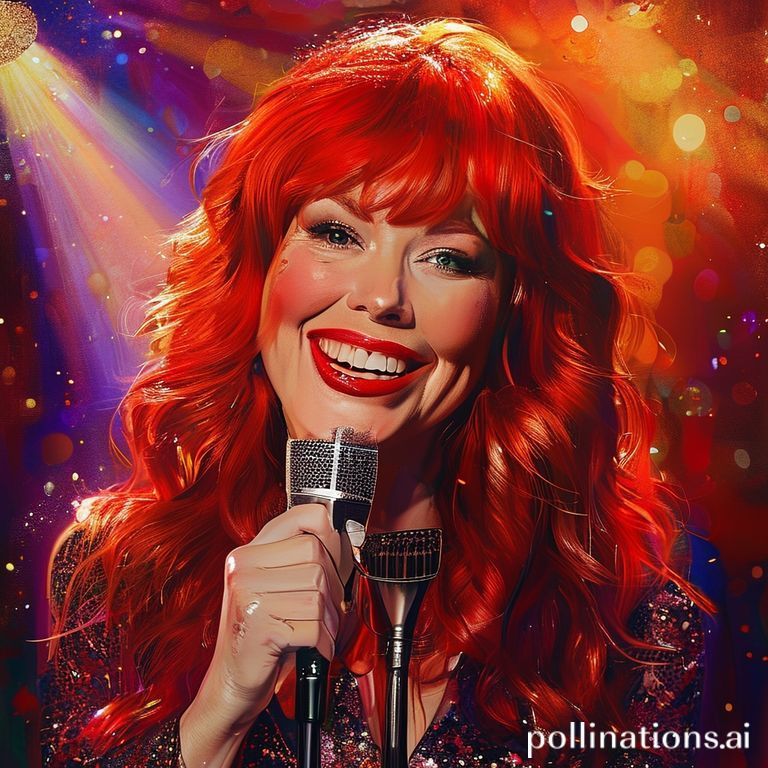
Dolly Rebecca Parton was born on January 19, 1946, on a modest two-room cabin on the family farm in Pittman Community near Sevierville, Tennessee. The youngest of 12 children, she grew up in a household where money was scarce but music was abundant. Her parents, Robert and Avie Parton, were both accomplished musicians who sang and played traditional Appalachian instruments around the kitchen table. This daily ritual turned the Parton household into a living classroom, where young Dolly absorbed melodies, harmonies, and storytelling without ever needing a formal lesson.
The mountainous landscape of the Great Smoky Mountains also shaped her ear. The region’s rich heritage of folk, gospel, and old‑time country music echoed through church services, local radio stations, and community gatherings. Dolly’s first public performance came at age four when she sang a duet with her mother on a local radio program, “The Cas Walker Show.” By age ten, she was already writing her own songs, often inspired by the hardships and joys she observed on the farm.
Several key figures left an indelible mark on her developing style:
- Bill Monroe – The “Father of Bluegrass” introduced her to fast‑paced string instrumentation and high‑lonesome vocal harmonies.
- Hank Williams – His heartfelt lyricism and ability to convey raw emotion taught Dolly the power of simplicity in songwriting.
- Jimmie Rodgers – The “Singing Brakeman” showed her how to blend storytelling with a distinctive vocal delivery.
- Gospel Choirs – Regular church services exposed her to call‑and‑response patterns and the soulful intensity that would later define many of her crossover hits.
These influences converged as Dolly began performing at local venues, such as the Old Log Cabin School in nearby Gatlinburg, where she sang for both neighbors and tourists. Her early experiences honed not only her vocal abilities but also her knack for crafting narratives that resonated with everyday people. By the time she moved to Nashville in the mid‑1960s, she carried with her a unique blend of Appalachian folk, gospel reverence, and a relentless work ethic—ingredients that would soon propel her into the pantheon of country music legends.
Rise to Stardom: Breakthrough Hits and Albums
Dolly Parton’s ascent from a modest upbringing in the Smoky Mountains to global superstardom was propelled by a string of breakthrough hits and landmark albums that showcased not only her unmistakable vocal talent but also her razor‑sharp songwriting instincts. By the early 1970s, she had already secured a spot on the Nashville charts, yet it was a series of strategic releases between 1973 and 1977 that truly catapulted her into the mainstream consciousness.
Her 1973 album My Tennessee Mountain Home was the first major statement of the “back‑to‑roots” sound that would become a hallmark of her brand. The title track resonated deeply with listeners who longed for an authentic glimpse of Appalachian life, and the record’s gold certification signaled that Parton’s voice could sell beyond the confines of traditional country radio.
In 1975, Dolly took a daring step by collaborating with pop‑crossover producer Robert John Mutt Lange on the single “Love Is Like a Butterfly.” The song not only topped the Billboard Hot Country Songs chart but also crossed over to adult‑contemporary stations, widening her audience. That same year’s album All I Can Do produced the chart‑topping single “All I Can Do,” cementing her reputation as a relentless hit‑maker.
Perhaps the most pivotal moment came with the 1976 release of All I Can Do’s follow‑up, “Jolene”. The haunting melody and relatable narrative of romantic rivalry turned the track into an instant classic, earning it a place on the Billboard Hot 100 and solidifying Dolly’s position as a cross‑genre icon.
In 1977, Parton’s daring collaboration with Porter Wynne on the album New Harvest…Together introduced a more polished, pop‑oriented sound. The single “Here You Come Again” shattered expectations by reaching #3 on the Billboard Hot 100 and #1 on the country chart, illustrating her ability to dominate both markets simultaneously.
- 1973 – My Tennessee Mountain Home: Gold‑certified debut that highlighted her Appalachian roots.
- 1975 – All I Can Do: Produced “Love Is Like a Butterfly,” a crossover hit.
- 1976 – Jolene (single): Became a timeless anthem, charting on both country and pop lists.
- 1977 – Here You Come Again (single): Broke into the Top 10 of the Hot 100, showcasing her pop versatility.
- 1977 – New Harvest…Together: Demonstrated her willingness to experiment with contemporary production.
These breakthrough moments didn’t just earn Dolly Parton records and awards; they established a blueprint for longevity in an ever‑changing industry. By marrying heartfelt storytelling with a keen sense of commercial appeal, she laid the groundwork for a career that continues to inspire and dominate decades later.

Philanthropy and Business Ventures
Dolly Parton is not only a legendary singer‑songwriter, but also a tireless philanthropist and shrewd entrepreneur. Her charitable initiatives have touched millions of lives worldwide, while her business ventures have turned her creative vision into multi‑million‑dollar enterprises. Together, these two facets illustrate why Parton is often called “the queen of kindness and commerce.”
On the philanthropic front, Dolly’s most celebrated program is the Imagination Library. Launched in 1995, the initiative mails a free, age‑appropriate book to every child’s home from birth until they turn five. The program now operates in all 50 U.S. states, the United Kingdom, Canada, Australia, and several Caribbean nations, delivering over 200 million books to date. Parton’s focus on early literacy reflects her belief that “reading should be a right, not a privilege.”
Beyond books, she has contributed to disaster relief, health care, and education:
- COVID‑19 response: Donated $500,000 to the CDC’s vaccine rollout and supplied personal protective equipment to frontline workers in Tennessee.
- Scholarships: Funds the “Dollywood Scholarship” at East Tennessee State University, supporting students in music, business, and theater.
- Healthcare: Established the “Dollywood Cancer Center” in partnership with local hospitals, providing free screenings to low‑income families.
In the world of business, Dolly has built a diversified portfolio that leverages her brand while creating jobs in her home region:
- Dollywood & Dollywood’s Splash Country: A theme park and water park complex that draws over 3 million visitors annually, revitalizing Appalachia’s tourism economy.
- Music Publishing: Owns the publishing rights to her catalog through “Dollywood Publishing,” ensuring she receives full royalties for every use of her songs.
- Film & Television Production: Co‑founded “Parton Productions,” producing movies like “Dumplin’” and documentaries that celebrate Southern culture.
- Consumer Products: Launched the “Dollywood Spirits” line (whiskey, bourbon, and brandy) and a signature fragrance, turning her personal brand into marketable goods.
- Literary Works: Authored memoirs and children’s books, many of which support the Imagination Library through royalties.
What ties these endeavors together is Parton’s unwavering commitment to giving back. Whether she’s handing out a picture book or opening a new ride at her park, Dolly Parton proves that commercial success and genuine generosity can—and should—go hand in hand.
Cultural Impact and Legacy
Dolly Parton is more than a chart‑topping songwriter; she is a cultural phenomenon whose influence stretches far beyond the borders of Country music. From her unmistakable voice and glittering stage persona to her relentless philanthropy, Dolly has carved out a multi‑generational legacy that continues to reshape entertainment, fashion, education, and social activism worldwide.
Redefining the Image of a Country Star – In an industry traditionally dominated by male narratives, Dolly broke the mold by embracing both femininity and power. Her bold, sequined outfits, signature blonde hair, and unapologetic confidence challenged the conventional “girl‑next‑door” archetype and paved the way for artists like Shania Twain, Taylor Swift, and Kacey Musgraves to blend pop sensibilities with country roots.
Songwriting Genius – With more than 3,000 songs to her credit, Dolly’s catalog showcases a rare ability to translate personal experience into universal anthems. Classics such as “Jolene,” “I Will Always Love You,” and “Coat of Many Colors” have been covered by artists across genres, proving the timelessness of her storytelling.
Philanthropic Milestones – Dolly’s impact is palpable in the realm of education and public health. Her Imagination Library program, which sends free books to children from birth until age five, has distributed over 180 million books across the United States, Canada, the United Kingdom, and Australia. Additionally, the Dollywood Foundation has funded scholarships, disaster relief, and research into COVID‑19 treatments.
- Champion for literacy: Over 300,000 families benefit annually from the Imagination Library.
- Economic catalyst: Dollywood and its surrounding attractions generate $1.3 billion in regional revenue each year.
- Social advocate: Dolly’s public support for LGBTQ+ rights and gender equality has sparked important conversations within traditionally conservative circles.
Beyond numbers, Dolly’s legacy lives in the countless artists who cite her as an inspiration and in the everyday fans who see her as a symbol of resilience. Her famous mantra, “Find out who you are and do it on purpose,” resonates as a rallying cry for authenticity in a world that often rewards conformity.
In summary, Dolly Parton’s cultural impact is a tapestry woven from music, style, generosity, and unapologetic self‑expression. As new generations discover her story, her influence only deepens—ensuring that the “Queen of Country” will continue to reign over hearts and minds for decades to come.
Personal Life and Anecdotes
Dolly Parton’s personal story reads like a modern‑day fairy tale, but it is grounded in the grit and humor of a humble Appalachian upbringing. Born in 1946 on a modest farm in Sevierville, Tennessee, she was the fourth of twelve children to parents who sang gospel hymns while working the fields. From an early age, Dolly turned daily chores into creative rehearsals, dreaming of a stage where she could share the stories of mountain life with the world.
One of the most beloved anecdotes from her childhood involves a tiny, homemade “stage” she built in her family’s kitchen. Using a simple wooden table, a cracked mirror, and a battered radio, Dolly would stage impromptu performances for her siblings, narrating tales of pretend royalty and swapping jokes with a mischievous twinkle in her eye. That kitchen‑stage became a formative laboratory for the flamboyant showmanship she would later master on global platforms.
When she left home at 16 to pursue a music career in Nashville, Dolly’s mother gave her a simple yet powerful piece of advice: “Always stay true to who you are, and never forget the people who love you.” That mantra guided her through countless high‑profile moments— from the glittering lights of the Grammy stage to the gritty studios of country radio— and kept her feet firmly planted on the values of family, faith, and philanthropy.
- The “Coat of Many Colors” Story: Dolly once recounted how she stitched together a coat from rags for a school performance, only to receive teasing from classmates. Instead of shrinking away, she turned the experience into a timeless hit song that celebrates love over material wealth.
- Philanthropy through the Imagination Library: In 1995, Dolly launched the Imagination Library, sending free books to children worldwide—a project inspired by the bedtime stories her mother read to her and her siblings.
- Her “Pink Cadillac” Secret: Rumor has it that Dolly keeps a vintage pink Cadillac hidden in a barn on her Tennessee estate, a nod to her teenage dream of “roaring down the highway in a car as bright as her personality.”
Beyond the glitter and glam, Dolly’s personal life is a testament to resilience, generosity, and an unshakable belief in the power of storytelling. Whether she’s sharing a slice of fried chicken with fans, penning heartfelt letters to soldiers, or joking about her famous ““don’t we all wear our own sparkly crowns?”,” each anecdote adds a vivid brushstroke to the portrait of a woman who turned humble beginnings into an enduring cultural legacy.
Conclusion: Lessons from Dolly Parton’s Journey
Dolly Parton’s story is more than a chronicle of musical triumph; it is a masterclass in resilience, creativity, and purposeful generosity. From a modest upbringing in the foothills of the Smoky Mountains to becoming a global cultural icon, Dolly demonstrates that authentic success springs from staying true to one’s values while daring to dream beyond conventional limits.
Here are the core takeaways that anyone—whether an aspiring artist, entrepreneur, or everyday dreamer—can apply to their own path:
- Embrace Your Roots: Dolly never tried to hide her Tennessee heritage. Instead, she wove her personal history into her lyrics, fashion, and business ventures, proving that authenticity resonates across audiences.
- Turn Adversity into Fuel: Early hardships, from poverty to gender biases in a male‑dominated industry, became the catalyst for her relentless work ethic. She transformed setbacks into stepping stones, showing that perseverance is a prized asset.
- Invest in Yourself and Others: From launching her own record label, Dollywood, and a successful perfume line to establishing the Imagination Library, Dolly illustrates that personal growth and philanthropy can coexist and reinforce each other.
- Keep Learning and Evolving: Even after decades of hits, Dolly continues to collaborate with younger artists, experiment with new sounds, and embrace modern technology. Her willingness to adapt underscores the importance of lifelong learning.
- Share Generously: Dolly’s belief that “the more you give, the more you receive” is evident in her charitable work, mentorship, and public encouragement of self‑confidence, reminding us that generosity amplifies impact.
In sum, Dolly Parton’s journey teaches that success is not a solitary sprint but a marathon of consistent effort, humility, and heart. By internalizing these lessons—staying authentic, leveraging challenges, investing wisely, staying curious, and giving back—readers can chart their own inspiring narratives, no matter the field they pursue.