

1. Introduction: Capturing the Allure of Sunsets
There is something inherently magical about the moment when the sun dips below the horizon, painting the sky with a cascade of colors that seem too vivid to be real. Whether you’re perched on a quiet beach, watching from a bustling city rooftop, or simply gazing out of a backyard window, a sunset invites us to pause, reflect, and soak in a fleeting masterpiece crafted by nature itself. This introduction aims to unpack why sunsets hold such a universal allure and how you can begin to capture their essence—both emotionally and photographically.
First, sunsets are a reminder of impermanence. The rapid transition from bright daylight to dusky twilight underscores the passage of time, prompting us to cherish the present moment. That sense of urgency—knowing the colors will fade within minutes—creates a subtle yet powerful emotional response that resonates across cultures and ages.
Second, the color palette of a sunset is unrivaled. Warm oranges, deep magentas, soft purples, and cool blues blend in a way that no artificial lighting can replicate. Scientists explain this phenomenon as the scattering of shorter wavelengths of light, leaving longer, richer hues to dominate the horizon. For the observer, however, it feels like a visual symphony—each hue playing its part in a harmonious finale.
Finally, sunsets act as a universal gathering point. Families, friends, and strangers alike often find themselves sharing the same sky, exchanging smiles, stories, or a simple nod of appreciation. This collective experience strengthens our bond with the natural world and with each other.
- Notice the timing: Arrive at least 15 minutes before sunset to observe the gradual shift in light.
- Observe the foreground: Silhouettes of trees, buildings, or water add depth and contrast to the vibrant sky.
- Play with perspective: Position yourself at different heights—ground level, a hilltop, or a balcony—to discover new compositions.
- Embrace the fleeting: Capture a series of photos or a short video to document the evolution of colors.
By understanding the science, emotion, and shared humanity behind sunsets, you’ll be better equipped to appreciate each one’s unique story. In the sections that follow, we’ll explore practical tips for photographing sunsets, the cultural symbolism they carry, and ways to incorporate their beauty into everyday life.

2. The Science Behind a Sunset: Atmospheric Optics and Light Scattering
When the sun dips toward the horizon, the sky transforms into a canvas of fiery reds, oranges, and purples. This spectacular display is not magic; it is the result of well‑understood physical processes that involve the Earth’s atmosphere, the behavior of light, and the way our eyes perceive color. Understanding these mechanisms enriches the experience of watching a sunset and reveals why no two evenings are ever exactly alike.
At the heart of a sunset lies Rayleigh scattering, a phenomenon first described by Lord Rayleigh in the 19th century. Molecules and tiny particles in the atmosphere are much smaller than the wavelength of visible light. When sunlight strikes these particles, shorter wavelengths (blue and violet) are scattered in all directions far more efficiently than longer wavelengths (red, orange, and yellow). During the day, this scattered blue light dominates the sky, giving it its familiar color.
As the sun approaches the western horizon, its light must travel through a considerably thicker slice of atmosphere—up to 40 % more air mass compared to when it is overhead. This longer path means that even more blue light is removed from the direct beam, allowing the longer red and orange wavelengths to emerge with greater intensity. The result is the warm glow that characterizes a sunset.
- Mie Scattering: Larger particles such as dust, pollen, and sea‑salt aerosols scatter light of all wavelengths more uniformly. When these particles are abundant (e.g., after a volcanic eruption or in a humid coastal environment), sunsets can appear exceptionally vivid and saturated.
- Airglow and Red Shift: The atmosphere itself emits a faint light, primarily in the red and near‑infrared bands, due to chemical reactions involving oxygen and nitrogen. This subtle contribution can enhance the richness of the colors in low‑light conditions.
- Observer Altitude: Higher elevations reduce the thickness of the atmospheric layer the sunlight must cross, often leading to sharper, more intense color gradients.
Another key factor is the presence of **absorbing gases**, such as ozone, which preferentially absorb ultraviolet light, further cleaning up the spectrum that reaches our eyes during twilight. The combined effect of scattering, absorption, and emission creates the layered palette that photographers and poets alike seek to capture.
In summary, a sunset is a dynamic interplay of light and air. Rayleigh scattering strips away the blues, Mie scattering from aerosols paints the scene with richer hues, and atmospheric thickness determines the depth of color. By appreciating these scientific foundations, we can look at every evening sky not just as a beautiful backdrop, but as a live demonstration of optical physics unfolding above us.
3. Cultural Significance of Sunsets Across the World
From the crimson horizons of the Sahara to the delicate pinks that kiss the Pacific coast, sunsets have been woven into the fabric of human culture for millennia. They function not only as a daily spectacle but also as a potent symbol in myths, rituals, art, and everyday life. In many societies, the setting sun marks the transition from the known world of daylight to the mysterious realm of night, prompting both introspection and communal celebration.
In ancient Egypt, the daily descent of Ra, the sun god, was reenacted each evening as he sailed his solar barque across the western sky, ensuring the balance of cosmic order. This belief gave rise to elaborate temple ceremonies at dusk, where priests would chant hymns to guide Ra safely into the underworld, securing the promise of his sunrise rebirth.
In Japanese culture, the phrase “yūhi” (夕暮) captures the poetic melancholy of twilight, often described in haiku as a fleeting moment of impermanence. The tradition of hanami (flower viewing) extends to “yūhi-matsuri” festivals where lanterns are lit to honor ancestors as the sun slips below the horizon, symbolizing the thin veil between the living and the departed.
Indigenous peoples of the Americas also attribute spiritual weight to the sunset. The Navajo consider the western horizon the direction of the “fourth world,” a sacred space for prayer and purification. Evening fire dances are performed to honor the sun’s journey, inviting blessings for the night ahead.
- India: In Hindu tradition, the evening prayer Sandhya Vandana is offered at sunset, invoking the deity’s protection and marking the passage from the workday to spiritual contemplation.
- Mediterranean (Greece, Italy): Sunset gatherings at seaside tavernas are a social ritual, where locals share food, wine, and stories as the sky turns amber, reinforcing community bonds.
- Nordic countries: The “midnight sun” phenomenon during summer evokes awe, leading to festivals like “Sami Sun Festival,” celebrating the sun’s life-giving power with music and traditional chant.
- Australia: Aboriginal Dreamtime narratives often reference the sunset as a portal where ancestral spirits return, prompting evening ceremonies involving dance and ochre painting.
Across continents, the sunset operates as a collective canvas on which societies project hopes, fears, and reverence. Whether celebrated through prayer, poetry, or communal feasts, the daily vanishing of the sun continues to inspire a shared human story—one that reminds us of life’s cyclical rhythm and the timeless beauty that unites us all.
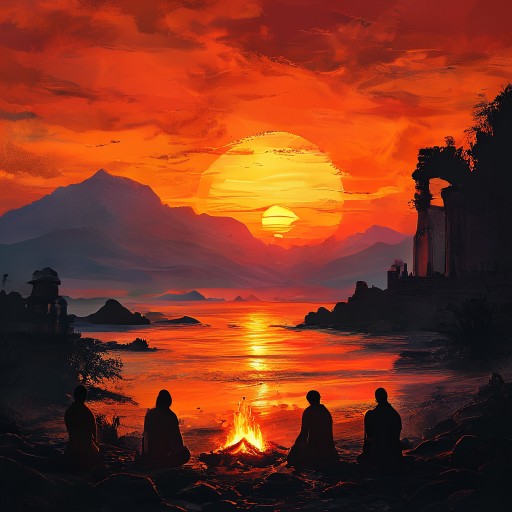
4. Best Locations and Times for Watching Sunsets
There’s nothing quite like the moment the sun kisses the horizon, painting the sky with a symphony of colors. To truly experience this daily masterpiece, you need two things: the right spot and the perfect timing. Below we break down the science of sunset timing and highlight some of the world’s most breathtaking viewpoints where you can soak in the magic.
**When to watch:** The exact moment of sunset varies by season and latitude, but the optimal viewing window typically begins about 10‑15 minutes before the sun dips below the horizon and lasts up to 20 minutes after. During this “golden hour,” the atmosphere scatters shorter blue wavelengths, allowing reds, oranges, and pinks to dominate the sky. For photographers and nature lovers alike, arriving early gives you time to set up and enjoy the gradual shift in light.
**How to calculate:** Use any reliable weather app or a dedicated sunset calculator. Input your location, and it will provide the precise sunset time down to the minute. Remember to factor in Daylight Saving Time where applicable.
- Coastal cliffs – Big Sur, California, USA: The rugged Pacific coastline offers unobstructed horizons, and the cliffs amplify the fiery hues as the sun slides behind the ocean.
- Desert dunes – Wadi Rum, Jordan: The vast, open landscape of sandstone cliffs and sand dunes creates a dramatic backdrop, especially during the cool evenings of autumn.
- Urban rooftops – Istanbul, Turkey: From a high rooftop overlooking the Bosphorus, the sun sets between two continents, casting shimmering reflections on the water.
- Lakeside shores – Lake Bled, Slovenia: The calm surface of the lake mirrors the sky, doubling the visual impact of the sunset’s colors.
- Mountain peaks – Mount Haleakala, Maui, Hawaii: At elevations above 10,000 feet, you can witness the sun rise above the clouds and set behind a sea of islands, offering a panoramic spectacle.
**Tips for the best experience:**
1. Check the weather forecast – clear skies produce the brightest colors.
2. Arrive at least 20 minutes early to claim a good spot and set up any gear.
3. Bring a light jacket; temperatures often drop quickly after the sun sets.
4. Turn off flashlights or phone screens to preserve your night vision for a seamless transition from dusk to darkness.
By pairing the right location with precise timing, you’ll transform a simple sunset into an unforgettable sensory experience. Happy watching!
5. Photography Tips: How to Capture Stunning Sunset Images
Sunsets are nature’s most dramatic light show, and with the right techniques you can turn a fleeting moment into a timeless photograph. Below are proven strategies that work for everyone—from beginners with a smartphone to seasoned shooters with full‑frame DSLRs. Follow these tips, experiment with your settings, and soon you’ll be consistently producing images that capture the warm glow, bold colors, and subtle silhouettes that make sunsets so unforgettable.
- Scout the Location Early: Arrive at least 30 minutes before the sun dips below the horizon. This gives you time to assess the composition, find foreground elements (like trees, rocks, or water), and identify any potential obstructions.
- Use a Tripod: As the light fades, shutter speeds often drop below 1/60 s. A stable tripod eliminates camera shake, allowing you to use slower speeds for silky‑smooth water or cloud motion without sacrificing sharpness.
- Set the Right Exposure: Start with the “Sunny 16” rule as a baseline (f/16 at ISO 100, shutter speed ≈ 1/ISO). Then switch to manual mode and adjust based on the scene. Slightly underexpose (‑0.3 EV to ‑0.7 EV) to preserve the vibrant reds and oranges that can wash out at 0 EV.
- Choose the Correct White Balance: Auto white balance often cools the image. Switch to “Cloudy” or “Shade” preset to add warmth, or set a custom Kelvin temperature (≈ 5600‑6000 K) for a natural feel.
- Employ a Small Aperture: f/8‑f/11 provides a sharp depth of field, keeping both foreground and distant clouds crisp. If you want a dreamy, soft background, you can open up to f/4‑f/5.6, but be mindful of potential bokeh on the horizon.
- Use a Graduated Neutral Density (GND) Filter: This balances the bright sky with a darker foreground, preventing blown‑out highlights while retaining detail in the landscape.
- Focus on the Horizon Line: Keep the horizon straight unless an intentional tilt adds artistic tension. Use the live view grid or a bubble level to verify alignment.
- Capture Multiple Exposures: Bracket your shots (e.g., -2 EV, 0 EV, +2 EV) and later blend them in post‑processing for an HDR image that retains detail in both shadows and highlights.
- Mind the Color Shifts: As the sun dips, colors transition from warm golds to deep purples. Keep shooting for at least 10‑15 minutes after sunset (the “blue hour”) to capture the cooler tones that often produce striking contrast.
- Post‑Processing Tips: Slightly enhance saturation, boost contrast, and use a graduated filter in Lightroom or Photoshop to emphasize the gradient sky. Avoid over‑processing; aim for a look that feels natural yet vivid.
Remember, the best sunset photos tell a story—whether it’s a solitary tree silhouetted against a fiery sky or a bustling shoreline bathed in golden light. By mastering composition, exposure, and timing, you’ll be able to turn every sunset into a visual masterpiece.
6. Emotional and Therapeutic Benefits of Watching Sunsets
There is something undeniably magical about the moment the sun dips below the horizon, painting the sky with a cascade of colors. This daily spectacle does more than please the eye—it engages our nervous system, mood centers, and even our spiritual sense of connection. When we pause to watch a sunset, we allow ourselves a brief, natural reset button that can profoundly influence our emotional well‑being.
Scientific studies have shown that exposure to the warm hues of a sunset can trigger the release of serotonin, the neurotransmitter linked to feelings of happiness and calm. The gradual dimming of light also supports the production of melatonin, helping to regulate sleep cycles and reduce insomnia. Beyond biology, the symbolic transition from day to night offers a narrative of closure, encouraging us to let go of stressors and anxieties that accumulated throughout the day.
- Stress reduction: The rhythmic slowing of light signals the brain to transition into a more relaxed state, lowering cortisol levels.
- Mindfulness and presence: Watching a sunset demands focus on the present moment, cultivating a meditative mindset without the need for formal practice.
- Emotional grounding: The expansive view of the sky puts personal problems into perspective, fostering a sense of grounding and stability.
- Enhanced gratitude: The awe‑inspiring colors often spark a spontaneous feeling of gratitude for nature’s beauty and the simple pleasures of life.
- Social bonding: Sharing a sunset with friends, family, or even strangers can create a shared emotional experience that strengthens connections.
- Creative inspiration: The vivid palette and fleeting nature of a sunset stimulate imaginative thinking, often leading to fresh ideas or artistic expression.
Incorporating sunset‑watching into your routine doesn’t require special equipment—just a willing eye and a moment of intention. Whether you set a reminder on your phone, schedule a weekly “sunset date” with a loved one, or simply step outside after work, the therapeutic payoff is immediate and measurable. Over time, these brief interludes accumulate, building resilience, fostering emotional balance, and reminding us that every day ends with the promise of renewal.
7. Environmental Concerns: How Pollution Affects Sunset Colors
Sunsets have long been a visual reminder of the atmosphere’s delicate chemistry. The brilliant reds, fiery oranges, and soft purples we cherish are not just an artistic illusion; they are the result of complex light‑scattering processes that are highly sensitive to the presence of particles and gases suspended in the sky. When air quality deteriorates, those same processes are altered, often dulling the rich palettes we associate with a perfect twilight.
At the heart of the phenomenon lies Rayleigh scattering, which preferentially removes shorter (blue) wavelengths from direct sunlight, allowing longer (red and orange) wavelengths to dominate the horizon. In a clean atmosphere, the scattering particles are tiny molecules that create a predictable, vivid display. However, when pollutants—such as sulfates, nitrates, black carbon, and fine particulate matter (PM2.5)—become abundant, they act as larger scattering centers. This changes the way light is redirected and absorbed, leading to several noticeable effects:
- Muted Reds: Heavy aerosol loads absorb and scatter longer wavelengths before they reach the observer, resulting in a washed‑out, brownish hue instead of deep crimson.
- Excessive Haze: High concentrations of fine particles create a veil that diffuses light evenly across the sky, flattening the contrast and reducing the sharp color gradients that define a classic sunset.
- Unexpected Color Shifts: Certain pollutants, such as nitrogen dioxide, can impart a subtle pink or violet tint, while iron‑rich dust may introduce a faint yellow‑green cast.
Beyond aesthetic concerns, the alteration of sunset colors can serve as an informal barometer for air quality. Scientists have begun using satellite‑derived color indices to track pollution events, because deviations from typical sunset spectra often correlate with spikes in particulate concentrations.
Mitigation strategies that can restore the evening’s visual splendor while improving public health include:
- Reducing fossil‑fuel combustion through cleaner energy sources and stricter emission standards.
- Implementing urban green belts and rooftop gardens to capture particulate matter before it reaches the upper atmosphere.
- Promoting public transportation, cycling, and walking to cut vehicle‑related emissions.
- Encouraging the use of low‑sulfur fuels and advanced scrubbers in industrial processes.
By addressing the root causes of air pollution, we not only safeguard the health of our communities but also preserve the awe‑inspiring sunsets that have inspired poets, painters, and dreamers for millennia. The next time you marvel at a blazing horizon, remember that the brilliance you see is a direct reflection of the air we collectively breathe—and the choices we make to keep it clean.
8. Conclusion: Embracing the Daily Spectacle
Each evening, the sky grants us a fleeting masterpiece—a sunset that is as predictable as it is extraordinary. This daily performance reminds us that even the most routine moments can hold profound beauty when we choose to pause and observe. By making a habit of watching the sun dip below the horizon, we nurture a deeper connection with the natural world and with ourselves.
Sunsets are not merely visual treats; they are multisensory experiences that engage sight, sound, and emotion. The soft rustle of evening breezes, the distant chorus of birds returning to roost, and the subtle shift in temperature all combine to create a feeling of closure and renewal. This ritual of ending the day offers a natural opportunity for reflection, gratitude, and intention‑setting for tomorrow.
- Mindful presence – Allow yourself a few quiet minutes to watch the colors change, letting thoughts drift like clouds.
- Creative inspiration – Many artists, writers, and photographers cite sunsets as a catalyst for fresh ideas and fresh perspectives.
- Emotional balance – The gradual dimming of light can soothe anxiety, calm the nervous system, and signal the brain to transition into a more restful state.
- Social bonding – Sharing a sunset with friends, family, or a loved one turns a simple visual event into a cherished shared memory.
- Environmental awareness – Observing the sky’s colors can alert you to atmospheric changes, humidity levels, and even air quality.
In a world that often feels rushed and fragmented, the sunset stands as a gentle reminder that there is still wonder to be found in the everyday. By consciously embracing this daily spectacle, we cultivate patience, gratitude, and a sense of belonging to something larger than ourselves. So, the next time the horizon glows amber and violet, take a moment to breathe, observe, and let the day’s closing light inspire the promise of tomorrow.