

Introduction: Why Recognizing Measles Symptoms Early Matters
Measles is one of the most contagious viral illnesses known to humanity, and its impact goes far beyond a simple rash or fever. Detecting the disease at the earliest possible stage can dramatically reduce the risk of severe complications, protect vulnerable populations, and curb community-wide outbreaks. When symptoms are identified promptly, healthcare providers can isolate the patient, initiate supportive care, and notify public health authorities to launch timely vaccination campaigns in the affected area. This rapid response not only safeguards the individual but also preserves the health of the broader community.
Early recognition is especially critical because the virus spreads through respiratory droplets that can linger in the air for up to two hours after an infected person coughs or sneezes. A single undiagnosed case can seed an epidemic, particularly in settings where vaccination rates are low. By understanding and watching for the hallmark signs of measles, parents, teachers, and caregivers become the first line of defense, preventing the virus from gaining a foothold in schools, daycare centers, and public gatherings.
Beyond the immediate public‑health implications, timely diagnosis helps avoid the severe, sometimes fatal, complications associated with measles. These can include pneumonia, encephalitis, severe diarrhea, and a chronic condition called subacute sclerosing panencephalitis (SSPE) that may arise years later. Early medical intervention can mitigate these risks by providing supportive therapies, vitamin A supplementation, and close monitoring.
Below is a concise list of the most common early symptoms that should raise a red flag for measles:
- High fever: Often spikes above 104°F (40°C) and appears 10‑12 days after exposure.
- Koplik spots: Tiny white lesions with a bluish ring on the inner cheeks, considered pathognomonic.
- Runny nose and cough: Similar to a cold, but usually more severe.
- Red, watery eyes (conjunctivitis): Sensitivity to light is common.
- Skin rash: Begins on the face and hairline, then spreads downward to the trunk and limbs over several days.
By staying vigilant for these signs, you empower yourself to act quickly—seeking medical care, notifying health officials, and ensuring that close contacts receive post‑exposure prophylaxis when appropriate. In the fight against measles, early detection is not just a medical advantage; it is a community responsibility that saves lives.

Overview of Measles: Cause, Transmission, and Epidemiology
Measles, also known as rubeola, is a highly contagious viral disease caused by the measles virus, a single‑stranded RNA virus belonging to the Paramyxoviridae family. The virus primarily spreads through respiratory droplets when an infected person coughs or sneezes, and it can remain viable in the air or on surfaces for up to two hours. Because it is airborne, close contact in crowded settings—schools, daycare centers, and public transportation—facilitates rapid outbreaks.
Epidemiologically, measles has a staggering basic reproduction number (R0) ranging from 12 to 18, meaning one infected individual can transmit the virus to 12–18 susceptible people in a naïve population. Before the introduction of the measles‑mortality reduction vaccine (MMR) in the 1960s, worldwide mortality reached 2–3 million deaths annually. Today, despite global vaccination campaigns, measles resurges in areas with low immunization coverage, often linked to vaccine hesitancy, conflict‑driven displacement, and gaps in health‑care access.
Understanding the disease’s hallmark clinical picture is essential for early detection and isolation, which can curb transmission. Below is a concise but comprehensive list of the classic and less‑common symptoms that define a measles infection:
- Koplik spots: Tiny white‑gray lesions with a bluish rim that appear inside the cheeks 2–3 days before the rash.
- High fever: Often exceeding 40°C (104°F) and persisting for 4–7 days.
- Catarrhal phase: Runny nose, sore throat, and conjunctivitis (“the three C’s”).
- Maculopapular rash: Starts at the hairline, spreads downward to the face, trunk, and limbs; the rash typically lasts 5–6 days.
- Generalized malaise: Profound fatigue, loss of appetite, and muscle aches.
- Complications (when they occur): Otitis media, pneumonia, encephalitis, and in severe cases, subacute sclerosing panencephalitis (SSPE) years later.
While most children recover with supportive care, the combination of rapid spread, high fever, and potential complications makes measles a public‑health priority. Prompt recognition of these symptoms, coupled with immediate isolation and notification of health authorities, is the cornerstone of outbreak control.
Early (Prodromal) Symptoms: What to Watch For in the First Few Days
Before the classic red rash appears, measles sneaks in with a set of subtle yet distinctive warning signs known as the prodromal phase. This stage typically lasts 2‑4 days and offers a crucial window for early detection, isolation, and treatment. Recognizing these early clues can help prevent further spread and reduce the risk of complications, especially in children and immunocompromised individuals.
The prodromal symptoms are often described as the “three Cs” plus a few additional hallmarks. While each person’s experience can vary, the following signs are the most commonly reported during the initial days of infection:
- Fever: A sudden spike in body temperature (often exceeding 101°F / 38.5°C) is usually the first indicator. The fever can be high‑grade and persistent, sometimes reaching 104°F (40°C) by the third day.
- Cough: A dry, hacking cough emerges early and may become more pronounced as the illness progresses. The cough is usually non‑productive but can be irritating enough to disrupt sleep.
- Coryza (runny nose): Clear, watery nasal discharge accompanies the cough, resembling a common cold. Nasal congestion may also develop, making breathing through the nose uncomfortable.
- Conjunctivitis: Inflammation of the eyes causes redness, tearing, and a gritty sensation. The eyes may become sensitive to light (photophobia), prompting patients to squint or keep their eyes partially closed.
- Koplik spots: Tiny bluish‑white lesions with a red halo that appear on the buccal mucosa (inside the cheek) opposite the molars. These spots are pathognomonic for measles and usually surface 1‑2 days before the rash.
- General malaise: A feeling of overall weakness, fatigue, and loss of appetite often accompanies the fever and respiratory symptoms, making the individual appear unusually lethargic for their age.
It’s worth noting that the intensity of these early signs can differ based on the person’s age, nutritional status, and immune health. In some cases, especially in partially vaccinated individuals, the fever may be modest while the cough and conjunctivitis dominate the clinical picture.
Healthcare providers use the combination of these prodromal clues—particularly the presence of Koplik spots—to differentiate measles from other viral exanthems such as rubella or roseola. Prompt recognition enables early isolation, timely administration of vitamin A (which has been shown to reduce morbidity), and notification of public health authorities to initiate contact tracing.
For parents, caregivers, and educators, staying vigilant during the first few days of these symptoms can make a decisive difference. If any child exhibits the “three Cs” along with high fever and especially Koplik spots, seek medical evaluation immediately. Early diagnosis not only safeguards the patient but also helps protect the broader community from a highly contagious disease.
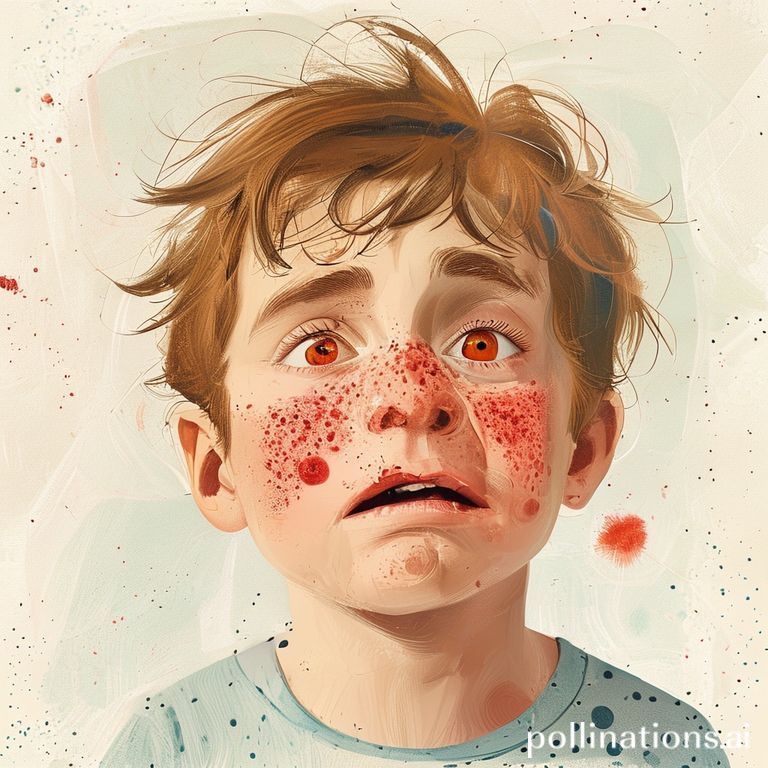
Characteristic Rash: Appearance, Progression, and Timeline
The measles rash is one of the most recognizable clinical signs of the disease, often serving as the visual cue that prompts medical evaluation. It typically emerges after the prodromal phase—marked by high fever, cough, coryza, and conjunctivitis—and signals that the virus has begun its cutaneous invasion. Understanding the rash’s appearance, how it spreads across the body, and its temporal pattern can aid both clinicians and caregivers in recognizing measles early and initiating isolation measures.
Appearance
- Color and texture: The lesions start as flat, pink macules that quickly turn erythematous (bright red) and may become slightly raised (maculopapular) as they mature. The spots are usually smooth, non‑pruritic, and do not form blisters.
- Size: Individual lesions range from 2 mm to 5 mm in diameter, but they often coalesce, creating larger, confluent areas of redness.
- Distribution: The rash begins on the face—most notably at the hairline, behind the ears, and on the cheeks—before descending.
Progression
- Day 0–1 (onset): Small pink spots appear on the cheeks and nasolabial folds; the skin may feel warm but not itchy.
- Day 1–2 (spread): The lesions expand outward to the neck, scalp, and then the trunk. As they move, older facial spots begin to fade, creating a “flashing” effect.
- Day 2–4 (peak): The rash reaches its maximum intensity, covering the entire torso, arms, and legs. Lesions may become slightly raised, and the overall hue deepens to a brick‑red color.
- Day 4–6 (resolution): The rash gradually fades in a reverse pattern—starting from the extremities and moving back toward the face—leaving behind a faint pinkish discoloration that often disappears within 2–3 weeks.
Timeline Overview
- Incubation period: 10–14 days after exposure (no rash).
- Prodrome: 2–4 days of fever, cough, conjunctivitis, and Koplik spots (no rash).
- Rash onset: Typically appears 3–5 days after the prodrome begins.
- Total rash duration: Usually 5–7 days from first appearance to complete fading.
Because the rash is non‑pruritic and often painless, children may not complain of discomfort, making visual inspection crucial. Moreover, the characteristic “face‑first, then down” pattern distinguishes measles from other viral exanthems such as rubella (which spreads head‑to‑toe) or roseola (which appears after fever resolves). Prompt recognition of this rash, combined with the classic prodromal symptoms, should trigger immediate public health notification and isolation to prevent further transmission.
Additional Systemic Symptoms: Fever, Cough, Conjunctivitis, and Koplik Spots
While the hallmark rash of measles often steals the spotlight, the disease’s early systemic manifestations are equally crucial for timely diagnosis and isolation. These symptoms typically surface 10–14 days after exposure, during the prodromal phase, and can provide clinicians and caregivers with the first clues that the virus is at work.
Below is a breakdown of the four most common systemic signs that accompany measles, each with its own clinical nuance and importance:
- Fever: A high, often spiking fever is the first systemic response. Temperatures frequently rise above 101°F (38.3°C) and can climb to 104°F (40°C) or higher. The fever usually peaks just as the characteristic rash begins to appear, serving as a physiological marker of the body’s immune battle against the morbillivirus.
- Cough: A dry, hacking cough develops early and may persist throughout the illness. This cough is not productive; instead, it reflects irritation of the respiratory epithelium caused by viral replication. In severe cases, the cough can become so persistent that it contributes to secondary complications such as bronchitis or pneumonia.
- Conjunctivitis (the “three C’s”): Red, watery eyes are another classic feature, often described as “pink eye” in lay terms. The conjunctival inflammation can lead to photophobia (light sensitivity) and increased tearing. Because the virus spreads via respiratory droplets, the eyes are a direct portal of entry, making conjunctivitis both a symptom and a transmission vector.
- Koplik spots: These tiny, white‑to‑bluish lesions with a reddish halo appear on the buccal mucosa, usually opposite the molars. Koplik spots are pathognomonic for measles and typically emerge 2–3 days before the rash. Their fleeting nature—disappearing as the rash erupts—makes them a valuable early diagnostic clue for clinicians who recognize them.
Understanding how these systemic signs intertwine helps health professionals distinguish measles from other viral exanthems such as rubella or roseola. Early identification based on fever, cough, conjunctivitis, and Koplik spots not only prompts appropriate supportive care but also triggers public health actions—like contact tracing and vaccination campaigns—to curb the spread of this highly contagious disease.
Complications and Warning Signs: When to Seek Immediate Medical Attention
Measles is often thought of as a self‑limiting childhood illness, but the virus can trigger serious complications that require prompt medical intervention. While most children recover with supportive care, certain red‑flag symptoms signal that the infection has moved beyond the typical course and is endangering vital organs. Recognizing these warning signs early can be the difference between a quick recovery and a life‑threatening situation.
Key complications to watch for:
- Pneumonia: The most common cause of measles‑related death, especially in infants and immunocompromised individuals. Look for worsening cough, high fever, rapid breathing, or chest pain.
- Encephalitis: Inflammation of the brain that may present with seizures, confusion, stiff neck, or loss of consciousness. Occurs in roughly 1 in 1,000 cases and can lead to permanent neurological damage.
- Acute otitis media (middle‑ear infection): Persistent ear pain, discharge, or hearing loss that doesn’t improve with standard treatment.
- Severe diarrhea and dehydration: Especially dangerous for young children; look for dry mouth, reduced urine output, and lethargy.
- Eye complications (keratitis or corneal ulceration): Redness, pain, blurred vision, or light sensitivity that worsens quickly.
- Thrombocytopenia (low platelet count): Unexplained bruising or bleeding from gums and nose.
Warning signs that demand immediate medical attention:
- Fever persisting above 104°F (40°C) for more than 48 hours.
- Rapid, shallow breathing or difficulty catching breath.
- Severe or worsening cough with mucus that is yellow/green or bloody.
- Persistent vomiting that prevents fluid intake.
- Sudden severe headache, stiff neck, confusion, or seizures.
- Unexplained rash that spreads beyond the classic measles spots or becomes bruised.
- Any loss of consciousness, even brief.
- Signs of dehydration: dry lips, sunken eyes, no tears when crying.
If any of these symptoms appear, seek emergency care right away. Early intervention—often involving intravenous fluids, antibiotics for secondary bacterial infections, antiviral therapy, or supportive respiratory care—greatly improves outcomes and reduces the risk of long‑term damage. Parents, caregivers, and healthcare providers should maintain a low threshold for hospital evaluation when these warning signs are present, regardless of the child’s age or vaccination status.
Prevention, Diagnosis, and When to Consult a Healthcare Provider
Measles is a highly contagious viral infection that spreads through respiratory droplets, making early prevention and accurate diagnosis essential to curb outbreaks. While understanding the classic symptoms—high fever, cough, conjunctivitis, and the characteristic rash—is vital, knowing how to protect yourself, identify the disease promptly, and recognize red‑flag signs that demand medical attention can save lives.
Key Prevention Strategies
- Vaccination: The measles‑mumps‑rubella (MMR) vaccine is the single most effective tool. Two doses provide >97% immunity; ensure children receive the first dose at 12‑15 months and the second at 4‑6 years.
- Hygiene Practices: Regular handwashing with soap, covering mouth and nose when coughing or sneezing, and avoiding close contact with infected individuals reduce transmission.
- Travel Precautions: Verify vaccination status before international travel, especially to regions where measles remains endemic.
- Community Immunity: High vaccination coverage (≥95%) creates herd immunity, protecting those who cannot be vaccinated, such as infants and immunocompromised persons.
How Measles Is Diagnosed
- Clinical Evaluation: Physicians first look for the classic triad—fever, maculopapular rash that spreads head‑to‑toe, and Koplik spots (tiny white lesions on the buccal mucosa).
- Laboratory Confirmation:
- Serology: Detection of measles‑specific IgM antibodies in blood.
- Polymerase Chain Reaction (PCR): Identifies viral RNA from throat swabs, nasopharyngeal aspirates, or urine.
- Contact Tracing: Public health officials may interview patients to identify recent exposures and initiate quarantine measures.
When to Seek Medical Care
- Persistent fever lasting more than 4 days despite antipyretics.
- Signs of complications such as:
- Severe coughing or difficulty breathing (possible pneumonia).
- Ear pain, discharge, or hearing loss (otitis media).
- Neurological symptoms—headache, stiff neck, seizures, or altered consciousness (suggesting encephalitis).
- Persistent diarrhea, vomiting, or signs of dehydration.
- Infants under 12 months, pregnant women, or individuals with weakened immune systems should be evaluated promptly at the first suspicion of measles.
- If you have been exposed to a confirmed case and are unvaccinated or unsure of your immunization status, contact a healthcare provider within 72 hours for possible post‑exposure prophylaxis.
Timely vaccination, vigilant monitoring of symptoms, and swift medical intervention are the three pillars that keep measles in check. By following these guidelines, individuals and communities can significantly reduce the risk of severe outcomes and help eradicate this preventable disease.