

Introduction: What Is Presidents Day?
President’s Day, officially known as Washington’s Birthday, is a federal holiday in the United States observed on the third Monday of February each year. Though the name suggests a celebration of all U.S. presidents, the holiday’s origins are rooted in honoring the nation’s first president, George Washington, and later expanded to include Abraham Lincoln, whose birthday falls on February 12. Over time, the day has evolved into a broader reflection on the leadership, legacy, and contributions of the individuals who have held the nation’s highest office.
The holiday’s journey began in the 19th century when Washington’s birthday was marked with parades, church services, and school programs. It wasn’t until 1971, under the Uniform Monday Holiday Act, that the observance was shifted to a Monday to create a three‑day weekend, making it more convenient for the modern workforce and boosting retail sales. This change also cemented the inclusive “Presidents Day” moniker, encouraging schools, museums, and media to spotlight the achievements of multiple presidents rather than focusing solely on Washington.
Today, Presidents Day serves several purposes:
- Historical education: Schools use the day to teach students about the constitutional foundations laid by early presidents and the evolution of the executive branch.
- Civic engagement: Many community organizations host debates, reenactments, and lectures that inspire citizens to participate more actively in democracy.
- Commercial impact: Retailers roll out extensive sales events, capitalizing on the long weekend to attract shoppers looking for winter clearance deals.
- National unity: Patriotic ceremonies, flag‑raising events, and moments of silence honor the sacrifices made by presidents and the American people throughout history.
Understanding President’s Day goes beyond a simple day off; it offers a chance to reflect on the ideals of leadership, democratic governance, and the ongoing story of a nation shaped by its presidents. By recognizing both the historical context and contemporary relevance of the holiday, we can appreciate why it remains a significant fixture on the American calendar.
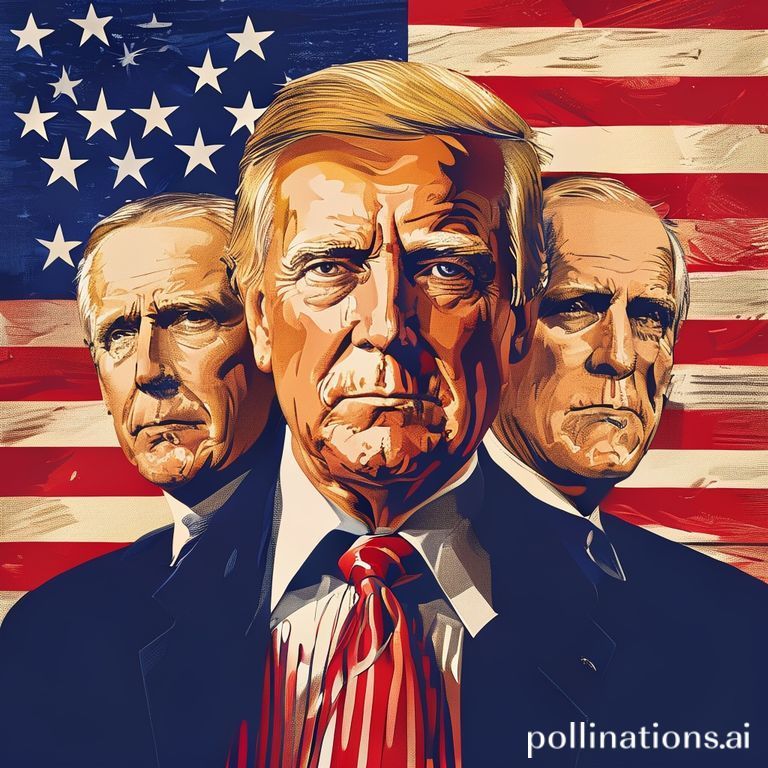
Historical Origins and Evolution of Presidents Day
President’s Day, officially known as Washington’s Birthday at the federal level, traces its roots back to the early 19th century when the United States first sought to honor its founding leaders through public holidays. The first official celebration of George Washington’s birthday was observed on February 22, 1885, after an act of Congress designated the date a legal holiday for federal employees. This early observance reflected the nation’s reverence for Washington as the “Father of His Country,” and it set a precedent for commemorating presidential contributions.
As the nation grew, the desire to acknowledge other presidents—especially Abraham Lincoln—became increasingly popular. By the early 1900s, individual states began to add “Lincoln’s Birthday” (February 12) to their calendars, and in some places both Washington and Lincoln were celebrated on the same day. The dual commemoration highlighted the symbolic partnership between the Revolutionary era and the Civil War era, representing the continuity of American ideals.
The turning point arrived with the Uniform Monday Holiday Act of 1968, which sought to provide workers with more three‑day weekends. This legislation moved the celebration of Washington’s Birthday from February 22 to the third Monday in February, effectively creating a “floating” holiday that could also honor any president. The change sparked a cultural shift: retailers, schools, and media began referring to the day simply as “Presidents Day,” a title that allowed for broader recognition of all U.S. presidents, past and present.
Today, Presidents Day has evolved into a multifaceted observance that includes:
- Historical education: Museums, schools, and historical societies host lectures, exhibitions, and reenactments that explore the lives and legacies of presidents.
- Retail promotions: Many businesses launch nationwide sales, capitalising on the long weekend to attract shoppers.
- Civic reflection: Citizens are encouraged to reflect on leadership, democracy, and the constitutional principles that each president vowed to uphold.
- National unity: The holiday serves as a reminder that, despite differing political views, all Americans share a common heritage anchored by the office of the presidency.
In essence, the evolution of Presidents Day mirrors America’s own journey—shifting from a single‑person tribute to a collective celebration of leadership, sacrifice, and the evolving narrative of the nation’s highest office.
How Presidents Day Is Celebrated Across the United States
Presidents Day, observed on the third Monday of February, is more than just a federal holiday that gives many workers a three‑day weekend. Across the United States, communities transform the day into a vibrant tapestry of local customs, educational events, and patriotic festivities that honor the legacy of George Washington, Abraham Lincoln, and every president who has shaped the nation.
In most states, schools take advantage of the long weekend to conduct special history lessons and interactive projects. Teachers often organize “presidential scavenger hunts,” where students locate clues about the lives of past leaders hidden around the classroom or schoolyard. Many districts also host “history fairs” that feature student‑crafted exhibits, reenactments of famous speeches, and debates on the Constitution.
Major cities such as Washington, D.C., and New York City stage elaborate parades and public ceremonies. In the capital, the National Archives opens its doors early, offering free tours of the original Constitution, the Bill of Rights, and the presidential libraries that are normally behind a paywall. Meanwhile, New York’s “Presidents Day Parade” rolls down Fifth Avenue, showcasing marching bands, veteran groups, and floats that dramatize pivotal moments from American presidential history.
Across the Midwest, small towns celebrate with more intimate traditions. In Ohio, for example, the historic village of Marietta holds a “Founders’ Festival” where local artisans sell colonial‑style crafts and reenactors demonstrate frontier life. In Wisconsin, many counties organize “Presidential Cook‑offs,” inviting residents to prepare dishes inspired by the favorite foods of various presidents—from Thomas Jefferson’s macaroni and cheese to Theodore Roosevelt’s hearty steak.
- Museum Discounts: Nearly every major museum—art, history, or science—offers free or reduced‑price admission on Presidents Day, encouraging families to explore exhibits that highlight the contributions of past leaders.
- Library Programs: Public libraries host reading circles focused on presidential biographies, and some even invite local historians to give short talks about lesser‑known presidents.
- National Park Activities: Parks such as Mount Vernon and the Lincoln Home National Historic Site organize guided tours, living‑history demonstrations, and special ranger talks about the presidents’ personal lives and policies.
- Community Service: Many civic groups view the holiday as an opportunity to give back, organizing volunteer drives, blood‑donation camps, and “Patriotic Clean‑ups” of local parks and historic sites.
- Retail Sales: While not a cultural tradition per se, the holiday is synonymous with nationwide sales events. Retailers often promote “presidential savings” that include discounts on patriotic merchandise, thereby keeping the holiday’s name in public consciousness.
Whether through educational programs, public parades, or quiet moments of reflection at a museum, Presidents Day serves as a unifying thread that weaves together the diverse ways Americans honor their collective heritage. Each celebration—big or small—adds a unique stitch to the broader tapestry of national remembrance.

Economic Impact: Sales, Travel, and Tourism Boosts
Presidents Day, observed on the third Monday of February, has evolved far beyond a simple federal holiday honoring America’s leaders. It has become a major catalyst for economic activity across the United States, generating measurable spikes in retail sales, travel bookings, and tourism revenue. The holiday’s timing—nestled between the post‑holiday shopping lull of January and the impending spring buying season—creates a perfect window for businesses to launch targeted promotions and for consumers to take advantage of extended weekends.
Retailers, from big‑box stores to online marketplaces, treat Presidents Day as one of the year’s most important sales events. According to the National Retail Federation, total sales during the Presidents Day weekend regularly exceed $10 billion nationwide, with apparel, electronics, and home‑improvement categories seeing the largest uplift. The “President’s Day Sale” branding signals deep discounts—often 20‑40 % off—encouraging shoppers to stock up on seasonal items, upgrade appliances, or refresh wardrobes. This surge not only pads retailers’ quarterly earnings but also drives ancillary revenue for logistics providers, payment processors, and last‑minute gift services.
Travel and tourism experience a parallel boom. The long weekend gives families and solo adventurers a chance to escape the winter chill without taking additional vacation days. Data from the U.S. Travel Association shows that hotel occupancy rates climb by 12‑15 % during the Presidents Day period, while airlines report a 10 % increase in bookings compared to the surrounding weeks. Popular destinations include warm‑weather retreats such as Florida, Arizona, and Southern California, as well as ski resorts that capitalize on the holiday to attract snow‑seeking tourists.
- Hotel bookings: Revenue per available room (RevPAR) can jump $15–$25 above average February rates.
- Air travel: Domestic flights see a bump in both seat occupancy and ancillary sales (baggage fees, seat upgrades).
- Car rentals: Rental agencies report a 20 % surge as travelers opt for road trips or airport pickups.
Beyond the immediate fiscal benefits, Presidents Day’s economic ripple effect supports local economies. Restaurants, museums, and attractions experience higher foot traffic as tourists seek dining and entertainment options. This influx bolsters employment, often prompting temporary staffing hires that provide short‑term job opportunities for students and part‑time workers.
In sum, Presidents Day serves as a powerful economic engine, turning a historic observance into a multi‑sector boost that fuels retail, travel, and tourism industries while delivering tangible benefits to communities across the nation.
Educational Significance: Teaching History on Presidents Day
Presidents Day is more than a day off for the office or a chance to shop for discounts; it is a unique opportunity for educators to bring American history to life. By framing the holiday around the stories, triumphs, and challenges of the nation’s leaders, teachers can help students develop a deeper appreciation for civic responsibility, critical thinking, and the evolution of democratic ideals. When students understand the context behind each president’s decisions, they begin to see history not as a static timeline but as a series of interconnected choices that still shape our society today.
One of the most effective ways to leverage Presidents Day in the classroom is to move beyond memorization of names and dates. Instead, educators can invite students to explore primary sources such as presidential letters, speeches, and newspaper articles. Analyzing these documents encourages learners to ask “why” and “how” questions, fostering analytical skills that are essential across subjects. Moreover, discussing the varied backgrounds of presidents—from humble beginnings to military careers—can inspire students from diverse communities to envision themselves as future leaders.
Interactive activities further cement the educational value of the day. Role‑playing debates, mock elections, and creative projects enable students to step into the shoes of historical figures, deepening empathy and perspective‑taking. When students present their findings to peers, they practice public speaking, research methods, and collaborative problem‑solving—all core competencies for the 21st‑century learner.
- Primary‑Source Scavenger Hunt: Provide excerpts from the Federalist Papers, Lincoln’s Gettysburg Address, and Kennedy’s inaugural speech. Ask students to locate key phrases that reflect the president’s priorities.
- Presidential Timeline Collage: Have groups create visual timelines using images, quotes, and artifacts, highlighting major domestic and foreign policy milestones.
- Mock Cabinet Meeting: Assign each student a cabinet position and a historical crisis (e.g., the Cuban Missile Crisis). Students must propose solutions based on the era’s political climate.
- Digital Storytelling: Encourage learners to produce short videos or podcasts that narrate a lesser‑known president’s life, emphasizing how personal background influenced leadership style.
By weaving these strategies into the Presidents Day curriculum, teachers transform a single holiday into a vibrant, multidisciplinary learning experience. Students walk away not only with a richer knowledge of the nation’s past but also with the critical tools to evaluate present‑day leadership and to participate actively in their own civic future.
Controversies and Debates: Federal vs. State Observances
Presidents Day—originally established to honor George Washington’s birthday—has evolved into a complex tapestry of federal and state decisions, each reflecting distinct political, cultural, and economic priorities. The very fact that the holiday is celebrated on the third Monday of February, a product of the Uniform Monday Holiday Act of 1968, already sparked debate: should a president’s personal birthday be shifted for the sake of a three‑day weekend? Critics argue that this alteration dilutes historical authenticity, while supporters claim it boosts tourism and provides a predictable break for workers.
At the federal level, the holiday is officially titled “Washington’s Birthday,” a nomenclature that many states ignore in favor of “Presidents Day” or “Presidents’ Day.” This discrepancy fuels ongoing controversy:
- Historical Accuracy vs. Commercial Appeal: Historians contend that the holiday should strictly commemorate Washington, whereas retailers embrace the broader “Presidents Day” brand to market sales that span all presidents, past and present.
- State Autonomy: Some states, such as Virginia and Massachusetts, observe the day on Washington’s actual birthday, February 22, preserving the original intent. Others, like Texas and California, have adopted the federal Monday date but rename the holiday to reflect a wider presidential legacy.
- Educational Impact: School districts across the country differ in curriculum focus. In states that use the “Presidents Day” label, teachers often deliver a rapid survey of every president, risking superficial treatment, while states adhering to “Washington’s Birthday” can delve deeper into the founding era.
Economic arguments also dominate the conversation. Federal holidays guarantee paid leave for many federal employees, but private-sector workers’ benefits vary by state law. States that designate a paid holiday inevitably face higher payroll costs, prompting some legislators to propose “optional” observances or to replace the day with “Civic Service Day,” encouraging volunteerism instead of consumer spending.
Finally, the 2024 discourse surrounding the holiday has introduced a new layer: the call to recognize historically marginalized presidents, notably Andrew Jackson’s controversial legacy and the recent push to honor Barack Obama with a dedicated day. Proponents argue this would rectify past omissions, while opponents warn it could over‑fragment the holiday’s purpose.
In sum, the debate over Presidents Day is less about a single date and more about how America chooses to remember its leaders, balance fiscal realities, and negotiate the tension between national tradition and state sovereignty.
Presidents Day in Popular Culture and Media
From classic Hollywood biopics to modern meme culture, Presidents Day has become more than a historical observance—it’s a recurring theme that writers, directors, advertisers, and internet creators tap into year after year. The holiday offers a convenient excuse to revisit the nation’s most iconic leaders, celebrate patriotic sentiment, or simply capitalize on a long‑weekend sales boost. Below you’ll find the most common ways Presidents Day shows up across the media landscape.
In film, Presidents Day has inspired a surprisingly diverse slate of productions. Early biographical dramas such as Lincoln (2012) and Trumbo (2015) used the holiday’s timing to re‑ignite public interest in historical figures. More light‑hearted treatments appear in comedies like National Lampoon’s Presidential Vacation, where fictional presidents embark on absurd getaways. Television also leans into the theme, with special episodes of sitcoms and talk shows airing on the Monday of the holiday—think The Simpsons “The President’s Son” or late‑night monologues that riff on current political events while sprinkling in jokes about past presidents.
Music and radio often join the celebration. Country artists release “Patriotic Anthems” that nod to presidents, while classic rock stations play “presidential playlists” featuring songs named after leaders (e.g., “Lincoln’s Lament”). Advertisers love the holiday for its built‑in promotional hook. Retail giants roll out massive “Presidents Day Sale” campaigns, flooding TV, radio, and digital ads with red, white, and blue visuals and historical references to create a sense of urgency tied to the national sentiment.
- Film & TV: Special episodes, biopics, and comedic parodies that air during the long weekend.
- Music: Patriotic singles, tribute concerts, and radio countdowns featuring president‑themed tracks.
- Advertising: Nationwide sales events that use presidential imagery and slogans to boost consumer excitement.
- Social Media & Memes: Viral jokes that juxtapose historic presidential quotes with modern pop culture references, often trending under hashtags like #PresidentsDay.
- Video Games: Holiday-themed challenges or downloadable content that lets players “lead the nation” in simulation titles.
Even the digital realm has embraced the day. TikTok creators produce quick history bites, often dramatizing obscure facts about lesser‑known presidents with humorous overlays. Meanwhile, meme accounts juxtapose presidential portraits with contemporary slang, generating shares that spread far beyond the traditional history‑buff audience. In short, Presidents Day has transcended its origins as a civic holiday to become a versatile cultural touchstone—one that media producers and marketers repeatedly remix to capture attention, spark conversation, and, of course, drive sales.
Conclusion: The Future of Presidents Day
As we look ahead, Presidents Day is poised to evolve from a simple tribute to a dynamic platform for education, community engagement, and national reflection. The holiday’s original purpose—honoring the men and women who have led the United States—remains intact, but the ways we celebrate are expanding to meet the expectations of a more diverse and digitally connected populace.
First and foremost, technology will play a pivotal role. Virtual museum tours, interactive timelines, and augmented‑reality experiences will allow students and history buffs to step inside the Oval Office, witness pivotal speeches, and explore archival documents without leaving their living rooms. Schools are already piloting “digital civics weeks” that align Presidents Day with immersive online modules, turning a single day into a week‑long learning sprint.
Second, the conversation around presidential legacy is becoming more inclusive. Future observances will likely give greater visibility to the contributions of first ladies, vice presidents, and influential advisors, as well as to the civic movements that shaped each administration’s policies. This broader lens encourages citizens to see governance as a collective effort rather than a solitary spotlight.
Third, community‑driven events are set to increase. Local libraries, historical societies, and hometown museums are collaborating on pop‑up exhibitions, panel discussions, and service projects that tie the ideals of leadership to tangible community action. By linking the holiday to volunteerism—such as planting trees in honor of a conservation‑focused president or organizing voter‑registration drives—Americans can translate admiration into impact.
- Digital Integration: Live‑streamed Q&A sessions with historians and former policymakers.
- Inclusive Storytelling: Highlighting the roles of underrepresented figures in each administration.
- Community Service: Encouraging local acts that reflect presidential values, from education to environmental stewardship.
- Curricular Partnerships: Schools teaming up with museums for multi‑day, interdisciplinary curricula.
Ultimately, the future of Presidents Day rests on its ability to adapt while preserving its core purpose: to reflect on leadership, learn from past triumphs and failures, and inspire the next generation to participate actively in the democratic process. By embracing technology, inclusivity, and community involvement, the holiday can remain a vibrant, relevant touchstone for American identity in the decades to come.