
Introduction: Why Measles Still Matters in a Modern World
Measles may conjure images of childhood rashes and a bygone era of endemic disease, but the truth is far more urgent. Despite the availability of a safe, inexpensive vaccine, measles continues to resurface in both developed and developing nations, exposing gaps in public health systems, vaccine confidence, and global mobility. Understanding why measles remains a pressing concern is essential for anyone interested in protecting community health, preserving economic stability, and preventing needless suffering.
First and foremost, measles is one of the most contagious human viruses known. An infected person can transmit the virus to up to 90 % of susceptible individuals who share the same air space. This extraordinary transmissibility means that even a small decline in vaccination coverage can trigger rapid, widespread outbreaks. In a world where international travel can move a single infected traveler across continents in less than a day, the potential for rapid global spread has never been higher.
Second, measles is not a “harmless” childhood illness. While many cases resolve with fever and rash, complications such as pneumonia, encephalitis, and severe malnutrition claim the lives of thousands each year—especially among children under five and immunocompromised adults. The disease also weakens the immune system for months, increasing vulnerability to other infections.
Finally, measles serves as a bellwether for the overall health of immunization programs. A resurgence often signals deeper issues: vaccine hesitancy fueled by misinformation, supply chain disruptions, or inadequate health infrastructure. Addressing measles therefore strengthens the entire public health fabric, safeguarding against a host of vaccine‑preventable diseases.
- Global travel accelerates spread: An infected traveler can seed new outbreaks on any continent within hours.
- Vaccine gaps create hotspots: Coverage below the 95 % herd‑immunity threshold invites rapid transmission.
- Severe health impacts: Complications like pneumonia and encephalitis lead to hospitalization and death.
- Economic consequences: Outbreaks strain healthcare resources, disrupt schools, and impact workforce productivity.
- Indicator of system health: Measles resurgence highlights weaknesses in public‑health messaging and delivery.
In short, measles is more than a relic of the past; it is a dynamic, real‑world challenge that tests the resilience of modern health systems. By recognizing its relevance today, we can mobilize the tools—vaccination, education, and international cooperation—to keep this formidable virus at bay.
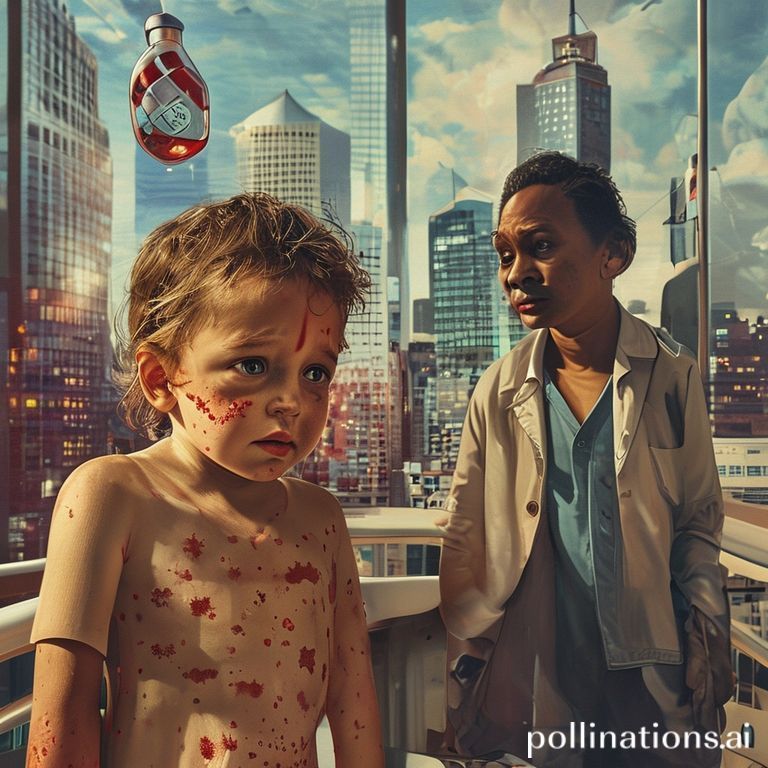
What is Measles? – Definition, Virus Structure, and History
Measles, medically known as rubeola, is a highly contagious viral disease that primarily affects the respiratory tract and skin. It is caused by the measles virus, a member of the Paramyxoviridae family. The disease spreads through airborne droplets when an infected person coughs or sneezes, and it can linger in the air for up to two hours, making outbreaks especially rapid in densely populated environments.
The virus itself is an enveloped, single‑stranded, negative‑sense RNA virus. Its structure equips it with the tools needed to invade human cells, replicate, and evade the immune system. Below is a concise overview of the key components that define the measles virus:
- Envelope: A lipid membrane studded with two crucial glycoproteins—hemagglutinin (H) and fusion (F) proteins—that facilitate attachment and entry into host cells.
- Matrix (M) protein: Provides structural support and links the ribonucleoprotein core to the viral envelope.
- Ribonucleoprotein (RNP) core: Consists of the viral RNA tightly bound to the nucleocapsid protein (N), phosphoprotein (P), and large polymerase protein (L) that together drive viral replication and transcription.
- Hemagglutinin (H) protein: Recognizes and binds to cellular receptors such as CD150 (SLAM) on immune cells and nectin‑4 on epithelial cells.
- Fusion (F) protein: Mediates the merging of the viral envelope with the host cell membrane, allowing the viral genome to enter the cytoplasm.
Historically, measles has been recorded for millennia. Ancient Egyptian papyri describe a disease with fever, rash, and conjunctivitis—symptoms that match modern measles. The term “rubeola” entered medical literature in the 16th century, differentiating it from rubella (German measles). The first successful isolation of the measles virus occurred in 1954, and the development of a live‑attenuated vaccine by John F. Enders and Thomas C. Peebles in 1963 revolutionized public health. Widespread immunization campaigns have reduced global deaths by over 80% since the 1990s, yet periodic resurgences highlight the importance of maintaining high vaccination coverage.
Understanding the virus’s anatomy and its historical impact underscores why measles remains a focal point for clinicians, researchers, and public‑health officials worldwide.
Causes and Transmission: How the Measles Virus Spreads
Measles is caused by the Measles morbillivirus, a single‑stranded, negative‑sense RNA virus that belongs to the Paramyxoviridae family. Once the virus enters the respiratory tract, it hijacks the host’s cellular machinery to replicate, leading to the classic rash and systemic symptoms. The virus is highly contagious because it can survive in the air for up to two hours and requires only a minimal infectious dose—fewer than 10 viral particles—to initiate infection.
The primary route of transmission is through respiratory droplets expelled when an infected person coughs, sneezes, or even talks. These droplets can travel up to 6 feet and settle on surfaces, where the virus remains viable for a short period. Additionally, the virus can be spread via aerosolized particles that linger in poorly ventilated spaces, making indoor gatherings a high‑risk environment.
Several key factors amplify the spread of measles:
- High Basic Reproduction Number (R₀): Measles has an R₀ of 12–18, meaning one infected individual can, on average, infect 12 to 18 others in a susceptible population.
- Duration of Infectiousness: Individuals are contagious from four days before to four days after the appearance of the characteristic rash.
- Population Immunity Gaps: Communities with low vaccination coverage create pockets of susceptibility that allow the virus to surge.
- Travel and Migration: International movement can introduce the virus into areas where it was previously eliminated.
Understanding the mechanisms of transmission is essential for effective control. The virus first attaches to the ciliated epithelium of the nasopharynx, then spreads to regional lymph nodes, leading to a systemic viremia that seeds the skin, eyes, and other organs. This systemic phase is why measles presents with both respiratory and dermatologic symptoms.
Prevention hinges on breaking the chain of transmission. The most reliable method is the measles‑containing vaccine (MMR), which induces long‑lasting immunity and dramatically reduces viral shedding in breakthrough cases. In outbreak settings, rapid identification of cases, isolation of infected individuals, and immediate vaccination of close contacts are critical steps to halt further spread.

Symptoms, Stages, and Potential Complications of Measles
Measles, caused by the highly contagious measles virus (Rubeola virus), follows a fairly predictable clinical course that can be divided into three main stages: the incubation period, the prodromal phase, and the exanthem (rash) phase. Understanding the timing and nature of each stage helps clinicians recognize the disease early, initiate isolation, and reduce the risk of serious complications. While most children experience a self‑limited illness, the virus can wreak havoc on multiple organ systems, especially in malnourished or immunocompromised patients.
Stage 1 – Incubation (10‑14 days): After exposure, the virus replicates silently in the respiratory epithelium and regional lymph nodes. No outward signs appear, but the infected individual is already contagious approximately four days before the rash emerges. This silent period underscores the importance of rapid contact tracing during outbreaks.
Stage 2 – Prodromal (3‑5 days): The first visible clues arise, typically beginning with a high fever (often exceeding 40 °C/104 °F), cough, coryza (runny nose), and conjunctivitis (“the three C’s”). Koplik spots—tiny, bluish‑white lesions on the buccal mucosa—appear 1‑2 days before the rash and are considered pathognomonic for measles.
- Fever (often > 101 °F)
- Dry, hacking cough
- Runny nose (coryza)
- Red, watery eyes (conjunctivitis)
- Koplik spots on the inner cheek
- General malaise and loss of appetite
Stage 3 – Exanthem (Rash) (4‑6 days): Within 3‑5 days of fever onset, a maculopapular rash erupts, starting at the hairline, spreading downward to the face, neck, trunk, and finally the hands and feet. The rash typically lasts 5‑7 days and fades in the same order it appeared. The fever often drops as the rash peaks, but any abrupt change in temperature or rash distribution warrants further evaluation.
While many patients recover without sequelae, measles can trigger severe, sometimes life‑threatening complications, especially in children under five, pregnant women, and those with weakened immune systems.
- Pneumonia (viral or secondary bacterial) – the leading cause of measles‑related death.
- Acute otitis media – a common cause of hearing loss in young children.
- Encephalitis – inflammation of the brain occurring in ~1 per 1,000 cases.
- Subacute sclerosing panencephalitis (SSPE) – a rare, fatal degenerative disease that can appear years after infection.
- Diarrhea and dehydration, which can exacerbate malnutrition.
- Pregnancy complications, including miscarriage, premature birth, and low birth weight.
Early recognition of the characteristic three C’s and Koplik spots, combined with prompt isolation and supportive care, can dramatically reduce the risk of these complications and curb the spread of this preventable disease.
Diagnosis: Clinical Signs, Laboratory Tests, and Differential Diagnosis
Measles (rubeola) remains a clinical diagnosis in most settings, but confirming the infection with laboratory tests is essential for surveillance, outbreak control, and appropriate patient management. Recognizing the classic triad of prodromal symptoms, the pathognomonic Koplik spots, and the characteristic maculopapular rash enables clinicians to suspect measles early, while targeted testing solidifies the diagnosis and guides public‑health actions.
- Prodromal phase (2‑4 days): High‑grade fever (often > 40 °C), cough, coryza (runny nose), and conjunctivitis (the “3 C’s”) are nearly universal. These signs are usually accompanied by a sore throat and general malaise.
- Koplik spots: Small, bluish‑white lesions with a red halo that appear on the buccal mucosa opposite the molars, typically 1‑2 days before the rash. Their presence is highly specific for measles.
- Exanthem: A erythematous, maculopapular rash that begins at the hairline, spreads to the face, and then descends to the trunk, arms, and legs. The rash becomes confluent after 24‑48 hours and fades gradually over a week.
- Other clinical clues: Lymphadenopathy (especially submandibular), photophobia, and a “stiff neck” sensation may be noted.
While clinical evaluation is fundamental, laboratory confirmation is recommended, especially in areas aiming for measles elimination.
- Serology: Detection of measles‑specific IgM antibodies in serum is the most commonly used test. A paired acute‑and‑convalescent IgG rise also confirms infection.
- Reverse transcription polymerase chain reaction (RT‑PCR): Molecular detection of measles RNA from throat swabs, nasopharyngeal aspirates, or urine samples provides high sensitivity and can be performed within 24‑48 hours of specimen collection.
- Viral culture: Though less frequently used due to technical demands, isolation of the virus from respiratory specimens remains a definitive method.
- Complete blood count (CBC): Often reveals lymphopenia early, followed by a transient leukocytosis; however, CBC results are non‑specific and mainly supportive.
Because many viral exanthems mimic measles, a systematic differential diagnosis is crucial.
- Rubella (German measles): Presents with a milder fever, lymphadenopathy, and a rash that starts on the face but is typically pink and non‑confluent; Koplik spots are absent.
- Roseola infantum (exanthem subitum): Sudden high fever for 3‑5 days followed by a blanching maculopapular rash as the fever resolves; occurs in younger infants.
- Scarlet fever: Caused by Group A Streptococcus; characterized by a sandpaper‑like rash, strawberry tongue, and often a positive rapid strep test.
- Drug eruptions: Can produce widespread rashes but lack the prodromal “3 C’s” and Koplik spots; often associated with recent medication changes.
- COVID‑19 or other viral respiratory infections: May cause fever and cough but rarely produce the classic measles rash pattern.
In practice, clinicians combine the unmistakable clinical hallmarks of measles with rapid serologic or molecular testing to confirm the diagnosis, while thoughtfully excluding look‑alike illnesses. Prompt identification not only directs patient care—such as vitamin A supplementation for high‑risk children—but also triggers essential public‑health measures, including contact tracing, vaccination of susceptible individuals, and outbreak containment.
Prevention and Vaccination: MMR Vaccine, Herd Immunity, and Public Health Campaigns
Measles remains one of the most contagious viral diseases known to humanity, but it is also one of the most preventable. The cornerstone of measles prevention is the combined measles‑mumps‑rubella (MMR) vaccine, which has been extensively studied for safety and efficacy. When administered according to the recommended schedule—first dose at 12‑15 months of age and a second dose at 4‑6 years—MMR provides >97 % protection against measles infection and virtually eliminates severe complications such as encephalitis and pneumonia.
Beyond individual immunity, the concept of herd immunity amplifies the protective effect across entire communities. Epidemiologists estimate that a minimum of 93‑95 % vaccination coverage is needed to halt measles transmission, owing to its extraordinarily high basic reproduction number (R₀ ≈ 12‑18). When this threshold is reached, even unvaccinated individuals—infants too young for the vaccine, people with immune‑compromising conditions, or those who missed a dose—receive indirect protection because the virus struggles to find susceptible hosts.
Achieving and sustaining high coverage is not a passive process; it requires coordinated public health campaigns that address logistical, educational, and trust‑building challenges. Effective campaigns typically blend the following strategies:
- School‑based vaccination programs: Offering MMR shots on campus reduces barriers for parents and ensures compliance with enrollment requirements.
- Community outreach: Mobile clinics, pop‑up vaccination sites, and partnerships with religious or cultural leaders help reach underserved populations.
- Clear, science‑based communication: Myth‑busting infographics, social‑media videos, and Q&A sessions with pediatricians counter misinformation and reinforce confidence in vaccine safety.
- Surveillance and rapid response: Real‑time case reporting and contact‑tracing enable health departments to launch targeted immunization drives before outbreaks expand.
- Policy support: Laws that mandate MMR documentation for school entry, coupled with exemptions only for valid medical reasons, create a baseline of protection.
When these elements operate in concert, the MMR vaccine not only shields individuals but also builds a resilient, disease‑free environment. Continual investment in vaccination infrastructure, public education, and transparent reporting remains essential to keep measles at bay and protect future generations from a preventable tragedy.
Treatment and Management: Supportive Care, Complication Care, and Home Remedies
Measles is a highly contagious viral illness that, while usually self‑limiting in healthy children, can lead to serious complications that demand prompt medical attention. Because there is no specific antiviral therapy that eradicates the measles virus, treatment focuses on supportive care—maintaining hydration, reducing fever, and protecting the respiratory system—while simultaneously monitoring for and managing potential complications.
Key goals of supportive care include:
- Maintaining adequate fluid balance to prevent dehydration caused by fever, vomiting, or diarrhoea.
- Controlling high fever with antipyretics such as acetaminophen or ibuprofen (avoid aspirin in children due to the risk of Reye’s syndrome).
- Ensuring proper nutrition, even if appetite is reduced, to support immune function.
- Providing a calm, low‑stimulus environment to minimise cough and respiratory irritation.
While most cases resolve within two weeks, clinicians watch closely for serious sequelae. Complication care is tailored to the specific organ system affected:
- Pneumonia – the most common cause of measles‑related death. Patients may need supplemental oxygen, bronchodilators, or, in bacterial superinfection, a course of appropriate antibiotics.
- Otitis media – often presents with ear pain and fever; antibiotic therapy is indicated if bacterial infection is confirmed.
- Encephalitis – rare but life‑threatening. Management includes hospitalisation, intravenous antivirals (e.g., ribavirin may be considered off‑label), and supportive neuro‑critical care.
- Vitamin A deficiency – WHO recommends two high‑dose vitamin A supplements (200,000 IU for children >12 months, 100,000 IU for infants) given 24 hours apart. This has been shown to reduce morbidity, mortality, and ocular complications.
In addition to medical interventions, several home remedies can ease discomfort and promote recovery, provided they complement—rather than replace—professional care:
- Humidified air: Using a cool‑mist humidifier or sitting in a steamy bathroom helps soothe a dry, hacking cough and eases nasal congestion.
- Honey‑lemon tea: For children older than one year, a warm beverage with honey and lemon can soothe a sore throat and provide gentle hydration.
- Saline nasal drops: Instilling sterile saline can clear nasal passages, reduce irritation, and improve breathing, especially at night.
- Rest and isolation: Keeping the patient in a quiet, well‑ventilated space reduces exposure to secondary infections and limits transmission to others.
Parents and caregivers should maintain open communication with healthcare providers, report any worsening symptoms immediately, and adhere to the prescribed vitamin A regimen. Prompt, comprehensive supportive and complication‑focused care remains the cornerstone of measles management, dramatically improving outcomes and preventing long‑term sequelae.
Global Impact and Future Outlook: Epidemiology, Eradication Efforts, and Ongoing Challenges
Measles remains one of the most contagious viral diseases on the planet, and despite the availability of a safe and highly effective vaccine, it continues to cause significant morbidity and mortality worldwide. In 2023, the World Health Organization (WHO) estimated more than 140,000 measles-related deaths, the majority of which occurred in children under five years of age and in low‑resource settings. The disease’s global impact is amplified by its ability to spark large outbreaks that strain already fragile health systems, disrupt schooling, and generate economic losses estimated at billions of dollars each year.
Epidemiological Trends
Recent surveillance data reveal a shifting pattern: while high‑income countries have largely eliminated endemic transmission, many middle‑ and low‑income nations experience cyclical surges. Key drivers include:
- Variable vaccination coverage – global first‑dose (MCV1) coverage plateaued around 84 % in 2022, with substantial gaps in sub‑Saharan Africa and parts of South Asia.
- Conflict‑related displacement that interrupts routine immunization programs.
- Weak disease‑surveillance infrastructure that delays outbreak detection.
These factors combine to produce an estimated 20–25 million measles cases annually, a stark reminder that the virus remains a persistent public‑health threat.
Eradication Efforts
The WHO’s Measles & Rubella Strategic Framework (2021‑2030) aims to reduce global measles mortality by 95 % and achieve elimination in at least 80 % of WHO regions. Core strategies include:
- Intensifying supplemental immunization activities (SIAs) to close immunity gaps.
- Integrating measles vaccination with other child health services to improve reach.
- Strengthening real‑time surveillance and laboratory confirmation.
- Mobilizing political commitment and sustainable financing.
Notable successes illustrate the feasibility of eradication: the Americas were declared measles‑free in 2016, and several European countries have maintained interruption of endemic transmission for over a decade.
Ongoing Challenges
Despite progress, several hurdles remain:
- Vaccine hesitancy: Misinformation on social media continues to erode public confidence.
- Funding gaps: Many low‑income nations rely on donor support, which can be unpredictable.
- Health‑system disruptions: COVID‑19 pandemic setbacks led to a resurgence of measles cases in 2020‑2022.
- Cold‑chain limitations: Maintaining vaccine potency in remote or conflict‑affected areas is logistically demanding.
- Population mobility: Cross‑border migration can re‑introduce the virus into previously protected regions.
Addressing these challenges requires a coordinated, multisectoral approach that combines robust immunization programs, community engagement, and innovative technologies such as digital health tools for surveillance. Only through sustained global commitment can we realize a future where measles is no longer a public‑health emergency.