
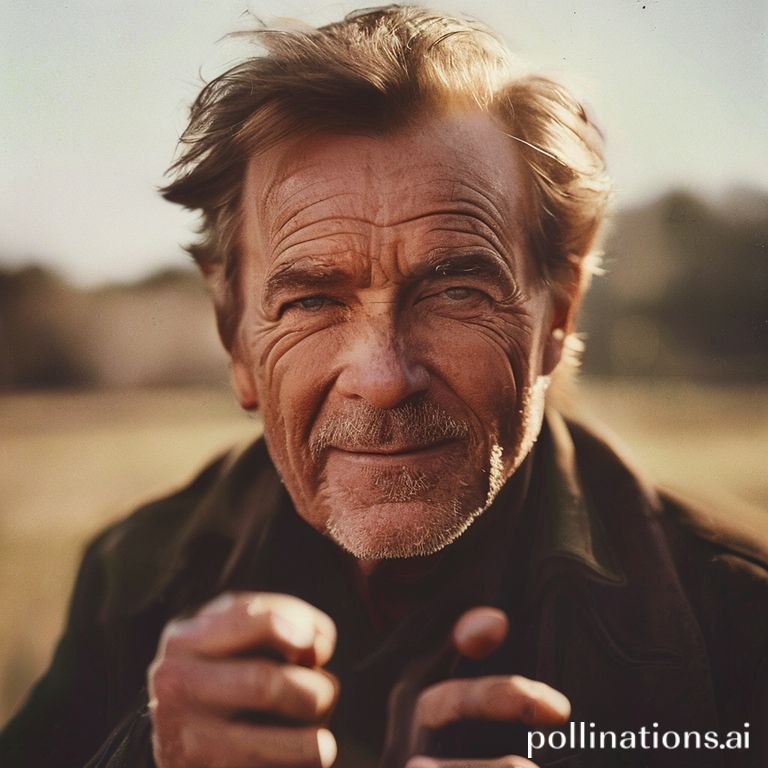
Introduction: Who Is Robert Redford and Why He Matters
Robert Redford is an American actor, director, producer, and environmental activist whose career has spanned more than six decades. Born on August 18, 1936, in Santa Monica, California, Redford first captivated audiences with his effortless blend of charisma, rugged good‑natured charm, and an unmistakable screen presence. His breakout role in Butch Cassidy and the Sundance Kid (1969) cemented his status as a Hollywood leading man, while his subsequent performances in classics such as The Sting, All the President’s Men, and Out of Africa demonstrated a range that could move from stylish swagger to profound introspection.
Beyond his on‑screen achievements, Redford’s influence extends into the realms of filmmaking and conservation. In 1969 he founded the Sundance Institute, a non‑profit organization that created the Sundance Film Festival—now the premier showcase for independent cinema worldwide. By providing mentorship, financing, and a venue for emerging voices, Redford transformed the industry’s power dynamics, giving rise to generations of storytellers who might otherwise have remained unheard.
Redford’s commitment to the environment is equally noteworthy. He has championed land conservation, supported sustainable agriculture, and used his public platform to raise awareness about climate change. His activism is not a side note; it is integral to his legacy, reflecting a belief that art and stewardship are intertwined.
In short, Robert Redford matters because he embodies three interconnected pillars of cultural impact:
- Iconic artistry: A timeless screen legend whose work continues to inspire actors and directors.
- Industry innovation: The creator of Sundance, a catalyst for independent film and a democratizer of cinematic voices.
- Civic leadership: A tireless advocate for environmental preservation, proving that fame can be leveraged for global good.
Understanding Redford’s multifaceted contributions provides a window into how one individual can shape entertainment, nurture creative ecosystems, and champion the planet—making his story essential reading for anyone interested in the intersection of culture, commerce, and conscience.

Early Life and Path to Acting
Robert Redford was born on August 18, 1936, in Santa Monica, California, to Charles Redford, a former American football player, and Margaret (née “Midge”) Leech, a homemaker who later worked as a secretary. His early childhood was marked by both privilege and hardship; his parents divorced when he was just three years old, and his father left the family shortly thereafter. Margaret, a devoted and resilient single mother, raised Robert and his younger brother, Charles, in the beach‑side community of Pacific Palisades.
Redford’s upbringing in a modest, middle‑class household instilled in him a strong work ethic. He attended the private Catholic school Oak Grove School and later the prestigious Santa Monica High School, where he discovered a love for storytelling and sports. An avid athlete, he excelled at football and baseball, but a lingering sense of curiosity about performance led him to the school’s drama club.
After graduating high school in 1954, Redford earned a scholarship to Santa Clara University, a Jesuit institution in California’s Silicon Valley. While pursuing a degree in journalism, he continued to explore the stage, joining the university’s theater group and performing in productions such as “Our Town” and “The Wild Duck.” His classmates and professors noted his natural charisma, magnetic presence, and an uncanny ability to convey complex emotions with subtle gestures.
The turning point came in 1956 when Redford took a summer job as a lifeguard at the iconic Santa Monica Beach. A chance encounter with a local casting director, who had spotted him chatting animatedly with beachgoers, sparked an invitation to audition for a small role in a regional theater production. Though he was initially skeptical, Redford’s successful audition ignited his passion for acting and set him on a new career trajectory.
- 1957 – Early Jobs: While completing his degree, Redford worked as a mail clerk for the United States Department of Labor and as a part‑time lifeguard, using the income to fund acting classes.
- 1958 – Move to New York: After graduating, he relocated to New York City, enrolling at the Actors Studio and studying under famed teachers like Lee Strasberg.
- 1960 – Broadway Breakthrough: Redford landed his first professional stage role in the off‑Broadway production “The Hostage,” gaining critical attention for his nuanced performance.
These formative experiences—rooted in humble beginnings, a supportive mother, academic pursuits, and an early love of performance—laid the foundation for Robert Redford’s illustrious career. By the early 1960s, he was already recognized as a promising talent, ready to transition from stage to screen, where his iconic presence would soon captivate audiences worldwide.
Breakthrough Performances and Hollywood Stardom
Robert Redford’s ascent from a shy Midwestern kid to a global cinematic icon is a masterclass in both talent and timing. After a handful of modest roles, his first real breakout came with the 1969 western‑comedy Butch Cassidy and the Sundance Kid. Paired with Paul Newman, Redford’s charismatic, roguishly charming Sundance turned him into a household name overnight. The film’s blend of swagger, wit, and an unforgettable musical theme gave audiences a fresh, modern hero who could both ride a horse and deliver a quip with effortless poise.
The momentum didn’t stop there. In 1973, Redford headlined The Sting, a meticulously plotted caper that earned seven Academy Awards, including Best Picture. His portrayal of David “Junior” Blarney—a slick con artist navigating the Great Depression—showcased a nuanced blend of confidence and vulnerability. Critics praised Redford’s ability to anchor an ensemble cast while letting the film’s intricate twists shine. The success of The Sting solidified his status not just as a leading man, but as a box‑office powerhouse capable of drawing audiences to sophisticated, genre‑blending stories.
Redford’s star continued to rise with politically charged dramas that resonated deeply in the post‑Watergate era. In All the President’s Men (1976), he embodied journalist Bob Woodward, delivering a restrained yet compelling performance that underscored the growing appetite for investigative storytelling. The movie’s critical acclaim and cultural relevance elevated Redford from a charming leading man to a serious, socially aware actor.
While his filmography is expansive, a few titles stand out as definitive milestones in his journey to Hollywood stardom:
- Butch Cassidy and the Sundance Kid (1969) – The role that introduced “The Sundance” to the world.
- The Sting (1973) – A box‑office juggernaut that earned multiple Oscars.
- All the President’s Men (1976) – Cemented his reputation as a thoughtful, dramatic actor.
- Out of Africa (1985) – Showcased his range in a sweeping romantic epic.
- The Great Gatsby (1974) – Demonstrated his ability to embody literary classics.
Beyond the silver screen, Redford’s dashing looks, genuine humility, and commitment to environmental causes amplified his appeal. He became a symbol of the 1970s “new‑age” star—handsome yet approachable, talented yet earnest. By the time he co‑founded the Sundance Institute in 1981, Redford had already carved out a legacy that blended artistic integrity with mainstream success, laying the groundwork for a second act as a champion of independent cinema.

Transition to Directing: Visionary Filmmaker
After decades of captivating audiences with his magnetic on‑screen presence, Robert Redford made a deliberate and thoughtful shift behind the camera—a move that would cement his reputation not just as an iconic actor, but as a visionary filmmaker. Redford’s transition to directing was less a career pivot than an evolution of his lifelong commitment to storytelling, environmental stewardship, and social consciousness. He approached directing with the same quiet intensity that defined his performances, insisting that every frame serve a larger purpose, whether that purpose was to illuminate a under‑represented voice, explore the complexities of human relationships, or preserve the natural world he so passionately protects.
Redford’s directorial debut, A River Runs Through It (1992), showcased his ability to translate poetic literature into visual poetry. Collaborating with the legendary cinematographer Christopher Doyle, he captured the Montana wilderness in sweeping tableau, turning the river into a character in its own right. The film earned a Golden Globe for Best Director and set a high bar for Redford’s future projects, proving that his eye for composition was as refined as his acting instincts.
What truly sets Redford apart as a director is his insistence on authenticity. He often cast actors who could embody the moral ambiguity of his stories, allowing improvisation to flourish within a tightly structured script. This balance of control and freedom is evident in The Legend of Bagger Vance (2000) and the under‑the‑radar indie Homegrown (1998), both of which demonstrate his knack for coaxing nuanced performances while maintaining a resonant visual style.
- A River Runs Through It (1992) – A lyrical adaptation of Norman Maclean’s novella exploring family, faith, and the American West.
- Homegrown (1998) – A gritty drama about marijuana cultivation that highlights Redford’s willingness to tackle controversial subjects.
- The Legend of Bagger Vance (2000) – A spiritual sports drama that fuses mythic storytelling with stunning cinematography.
- Days of Heaven (1978) – Though not his own direction, Redford’s collaboration with Terrence Malick greatly influenced his visual vocabulary.
Beyond his filmography, Redford’s directorial philosophy is rooted in activism. He leverages his platform to champion environmental causes, often integrating eco‑centric narratives into his films. This synergy between art and advocacy not only enriches his storytelling but also inspires a new generation of filmmakers to view cinema as a vehicle for change.
In sum, Robert Redford’s journey from Hollywood leading man to visionary director reflects a seamless blend of artistic integrity, compassionate storytelling, and an unyielding dedication to the world beyond the set. His directorial legacy continues to echo his belief that cinema, at its best, can both entertain and enlighten.
Activism and Environmental Advocacy
Robert Redford’s commitment to activism extends far beyond his iconic screen presence; it is a defining facet of his legacy. Long before the term “celebrity activist” entered the cultural lexicon, Redford was leveraging his fame to champion causes that mattered deeply to him, with a particular focus on environmental stewardship, land preservation, and sustainable development.
From the early 1970s onward, Redford became a vocal advocate for the protection of America’s natural landscapes. He worked closely with the Sierra Club, lending his voice to campaigns aimed at preserving wilderness areas threatened by industrial expansion. His public speeches often highlighted the intrinsic value of unspoiled ecosystems, urging both policymakers and ordinary citizens to consider the long‑term ecological impacts of short‑term profit motives.
Redford’s activism is perhaps most concretely manifested in the establishment of the Sundance Institute’s Environmental Program. Recognizing the powerful platform that film can provide, he created opportunities for filmmakers to tell stories that illuminate the climate crisis, biodiversity loss, and the human stories intertwined with environmental degradation. The program offers grants, mentorship, and a dedicated showcase at the Sundance Film Festival, amplifying voices that might otherwise go unheard.
- Land Conservation: In 1994, Redford helped found the Robert Redford Conservation Fund, which has contributed millions of dollars to protect critical habitats across the United States, including sections of the Sierra Nevada and the Great Plains.
- Public Policy Advocacy: He testified before Congress multiple times, arguing for stronger federal protections for public lands and urging the adoption of renewable energy standards.
- Community Engagement: Redford regularly participates in local town‑hall meetings in his hometown of Sundance, Utah, to educate residents about sustainable water usage and responsible tourism.
- International Outreach: As a board member of the International Union for Conservation of Nature (IUCN), he has helped shape global conservation strategies that bridge cultural and political divides.
Beyond formal initiatives, Redford’s personal lifestyle reflects his principles: he lives on a modest, solar‑powered ranch, practices organic gardening, and drives a hybrid vehicle. By aligning his everyday choices with his public advocacy, he offers a living example of how individuals can integrate environmental responsibility into both personal and professional realms.
In sum, Robert Redford’s activism is not a side note to his cinematic achievements—it is a continuous, deeply rooted campaign that leverages his star power, financial resources, and unwavering passion to protect the planet for future generations.
Legacy: Impact on Film, Culture, and Future Generations
Robert Redford’s legacy stretches far beyond the iconic roles that made him a household name. As a pioneering actor‑producer‑director, he redefined what it meant to be a Hollywood leading man—balancing rugged masculinity with introspective vulnerability. His performances in films like Butch Cassidy and the Sundance Kid, The Sting, and All the President’s Men set new standards for narrative depth and character nuance, influencing generations of actors who strive for authenticity on screen.
Perhaps Redford’s most enduring contribution to cinema is the Sundance Institute, founded in 1981. By creating a sanctuary for independent filmmakers, he democratized storytelling, giving voice to diverse perspectives that mainstream studios often ignored. Sundance has launched the careers of auteurs such as Quentin Tarantino, Steven Soderbergh, and Debra Granik, proving that Redford’s vision continues to shape the industry’s evolution. The annual Sundance Film Festival now stands as a global beacon for innovation, proving that his commitment to artistic freedom is a living, breathing force in contemporary film culture.
Beyond the silver screen, Redford’s environmental activism and philanthropy have cemented his status as a cultural icon. His advocacy for land conservation, support for the National Parks, and involvement with organizations like the Sierra Club demonstrate a steadfast dedication to preserving America’s natural heritage. This eco‑conscious ethos resonates with younger audiences who view him as a model of responsible celebrity—someone who leverages fame to inspire tangible, positive change.
- Influence on Acting Technique: Redford’s blend of naturalism and charisma set a template for method‑inspired performances that prioritize emotional truth over theatricality.
- Champion of Indie Cinema: Through Sundance, he has nurtured over 10,000 films, many of which have won Oscars and reshaped mainstream storytelling.
- Environmental Stewardship: His public campaigns and private land purchases protect thousands of acres of wildlife habitat, reinforcing the link between art and activism.
- Mentorship Legacy: Redford’s personal mentorship of emerging directors and actors has created a ripple effect, ensuring his values are passed down to future generations of creators.
In sum, Robert Redford’s multifaceted legacy—spanning cinematic innovation, cultural advocacy, and environmental stewardship—continues to inspire filmmakers, audiences, and activists alike. His impact is not a static chapter in Hollywood history; it is a living narrative that evolves with each new generation that discovers his work and the institutions he built.
Conclusion: The Enduring Appeal of Robert Redford
Robert Redford’s magnetism transcends the silver screen, making him one of the most respected and beloved figures in cinematic history. Decades after his breakout role in Butch Cassidy and the Sundance Kid, audiences continue to be drawn to his charismatic blend of rugged charm, thoughtful introspection, and timeless style. This enduring appeal is not a product of fleeting fame; it is rooted in a set of qualities that have resonated across generations and continue to inspire new fans.
First, Redford’s on‑screen persona embodies an archetype of the modern hero—strong yet vulnerable, confident yet approachable. Whether he is playing the charismatic outlaw or the earnest environmental activist, he brings a depth that makes each character feel authentic and relatable. This authenticity has allowed viewers to project their own hopes, fears, and aspirations onto his characters, creating a personal connection that lingers long after the credits roll.
Second, his pioneering spirit off‑camera—most notably the founding of the Sundance Film Festival—has cemented his legacy as a champion of independent storytelling. By providing a platform for emerging voices, Redford has shaped the very landscape of contemporary cinema, ensuring that his influence extends far beyond his own filmography.
- Iconic Style: The classic “Redford look” – denim, leather jackets, and a relaxed confidence – has become a cultural touchstone, inspiring fashion trends for decades.
- Environmental Advocacy: His dedication to conservation and sustainability showcases a commitment to real‑world issues that resonates with socially conscious audiences.
- Mentorship: Through Sundance, Redford has mentored countless filmmakers, fostering a community that values artistic integrity over commercial pressure.
- Timeless Performances: Films such as All the President’s Men, Out of Africa, and The Natural remain cinematic staples, continually introduced to new generations.
Lastly, Redford’s ability to evolve while staying true to his core values is perhaps his greatest strength. He transitioned from leading man to revered director and producer, proving that reinvention is possible without sacrificing authenticity. His recent projects continue to reflect his passion for narrative depth and social relevance, reinforcing why audiences of all ages still find him compelling.
In sum, Robert Redford’s enduring appeal is the result of a rare combination: magnetic on‑screen talent, visionary off‑screen contributions, and a genuine commitment to making the world a better place. As long as stories are told and audiences seek inspiration, Redford’s legacy will remain a guiding light in the cultural conversation.